Ngz


Free Fabulous Craft Box Packaging Mockup PSD ng box freebie freebie
By freemockupzone.com
Cartoon Boba - Những Câu Nói Hay Về Trà Sữa
By www.clipartmax.com
Vector Boy Playing Soccer - Trẻ Em Đá Bóng Vector
By www.clipartmax.com
SVG Eco vector icon set
By freesvg.org
CÔNG TY TNHH QUẢNG CÁO XÂY DỰNG SÁNG TẠO VIỆT Logo Vector
By seeklogo.com

Emad Rahim
2021-08-02 12:48:51
Bed giường 3dskymodel -Download 3dmodel- Free 3d Models 272
By 3dskymodel.com
ledinhan2002a
2022-08-13 14:18:24
Thiệp Chúc Mừng 2022

SVG Sitting T-rex
By freesvg.org
GRAND RİNG HOTEL Logo Vector
By seeklogo.com
SVG Green baby dino
By freesvg.org
SVG long ma jing shen 03
By freesvg.org
Fansipan altitude : 3 143 m , Vietnam
By unsplash.com
SVG Green baby dino vector image
By freesvg.org
SVG Red cartoon dino
By freesvg.org
Unsplash ID KI-_ZqE8X-s
By unsplash.com
SVG Sitting baby dino
By freesvg.org
SVG gong xi 02
By freesvg.org
SVG Yangtsze river travelling
By freesvg.org
Free Photo of charity, cheerful, community
By stocksnap.io

SVG Pink dinosaur
By freesvg.org
SVG Blue dinosaur
By freesvg.org
SVG ye lai feng yu sheng
By freesvg.org
SVG Cartoon running dino
By freesvg.org
SVG Falling dinosaur
By freesvg.org
SVG Smiling cartoon dino
By freesvg.org
SVG Flying baby dinosaur
By freesvg.org
SVG Happy baby dinosaur
By freesvg.org
SVG gong xi gong xi
By freesvg.org
SVG New Year Lunar Calendar
By freesvg.org
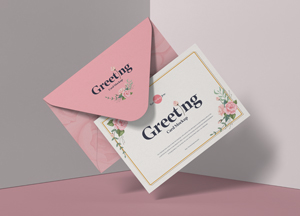
Free Modern PSD Greeting Card Mockup greet'ng greet ng
By freemockupzone.com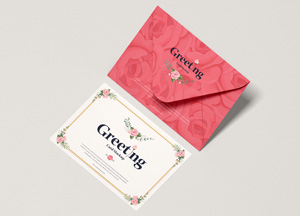
Free Top View Envelope With Greeting Card Mockup greet ng greet ng
By freemockupzone.com
Unsplash ID ng-evcF4mCo
By unsplash.com
SVG chu chu wen ti niao
By freesvg.org
Diverse volunteers taking a selfie together
By stock.adobe.com
Volunteers posting on social media
By stock.adobe.com
Diverse volunteers taking a selfie together
By stock.adobe.com
Unsplash ID 9PlcobMkGkQ
By unsplash.com
Unsplash ID nG-BKcbESmM
By unsplash.com
SVG chun mian bu jue xiao
By freesvg.org


Unsplash ID PgSxHidgJHQ
By unsplash.com
Unsplash ID tVs-nga-tpo
By unsplash.com
Unsplash ID 9HhnOtBi-Ng
By unsplash.com
SVG yang nian da ji
By freesvg.org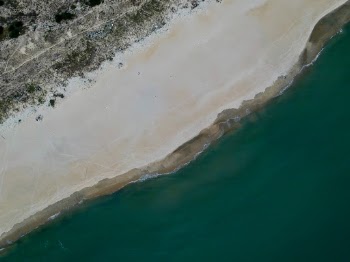
Aerial photograph of a beach in Danang, Vietnam
By unsplash.com