New forest


Luxup
2024-12-19 12:05:27
a happy new year balloon with the number 2025

Luxup
2024-12-01 00:06:59
Shiny large 3D volumetric colorful numbers "2025" handwritte

Luxup
2024-11-29 23:57:24
A macro photograph of vibrant green parsley leaves, their te

Luxup
2024-11-20 01:12:41
2025 New Year, happy new year simple vector logo design with

Luxup
2024-11-19 12:21:18
Drawing Christmas tree Sketch, png image, isolated
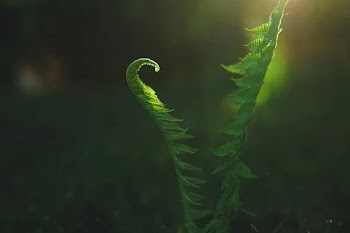
Close-up view of green fern leaves
By depositphotos.com
Ecology concept .
By stock.adobe.com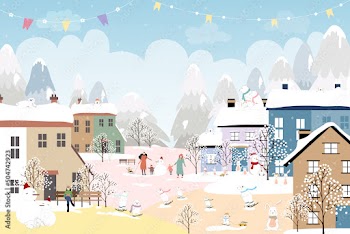

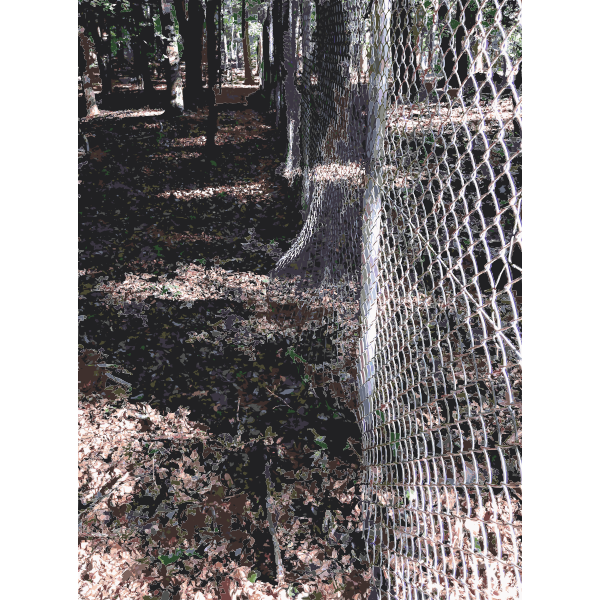
SVG Lichtscheid Forest Again 2 2015071533
By freesvg.org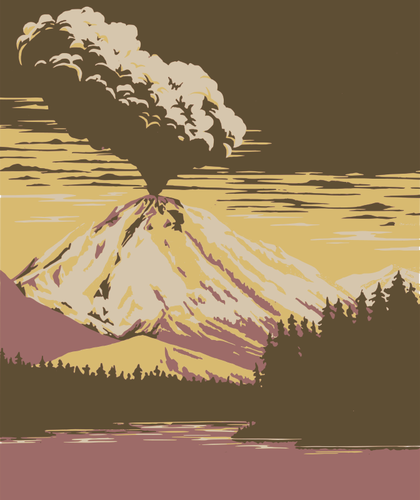
SVG Volcano goes boom
By freesvg.org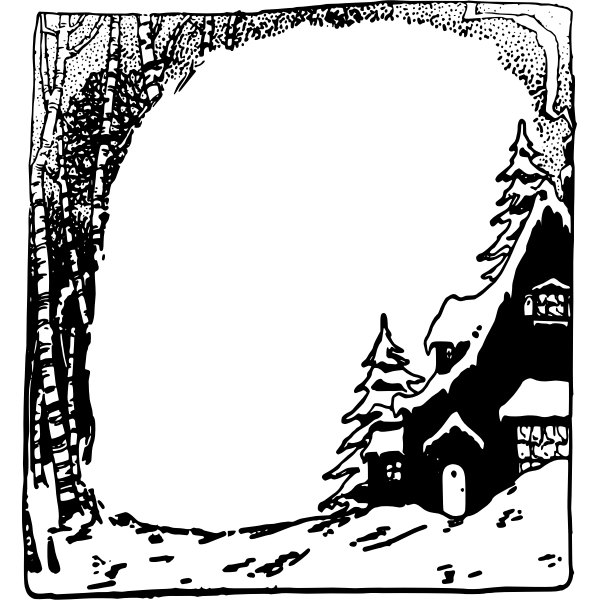
SVG New Year frame vector illustration
By freesvg.org
Modello per brochure a tre ante audace e brillante
By stock.adobe.com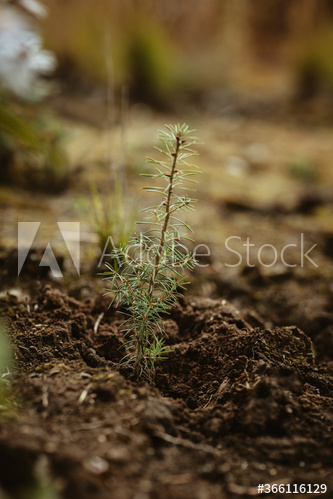
Newly planted pine seedling in forest
By stock.adobe.com
Winter botanical color vector seamless pattern
By stock.adobe.com
Christmas trees hand drawn vector seamless pattern
By stock.adobe.com
Xmas trees hand drawn vector seamless pattern
By stock.adobe.com
Happy New Year greeting backdrop
By stock.adobe.com
pines trees forest winter scene
By stock.adobe.com
pines trees forest winter scene
By stock.adobe.com
Christmas green tree or fir in winter forest with gift boxes
By stock.adobe.com
happy merry christmas card with pines snowscape
By stock.adobe.com
happy merry christmas bundle of cards
By stock.adobe.com
Christmas tree flat vector illustration
By stock.adobe.com
pine trees forest ribbon vector illustration
By stock.adobe.com
Cloud with snowflakes, snowfall hand drawn outline doodle icon
By stock.adobe.com
winter landscape village mountains and pine trees
By stock.adobe.com
merry christmas tree icon
By stock.adobe.com
grandparents couple with grandson in snowscape
By stock.adobe.com
winter landscape mountains alps and pine trees
By stock.adobe.com
Cute animal in green elf hat have fun
By stock.adobe.com
Cute animal in Santa Claus hat have fun
By stock.adobe.com
merry christmas tree pattern
By stock.adobe.com
Christmas and new year winter holiday concept
By stock.adobe.com
One Year Baby Birthday
By unsplash.com
Mirror Lakes
By unsplash.com
Unsplash ID qGCe4SpSo14
By unsplash.com
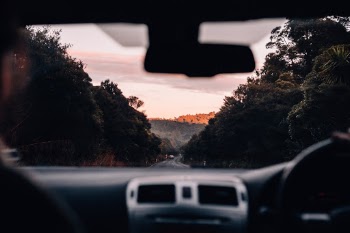
Unsplash ID FqpIoN_QY4Q
By unsplash.com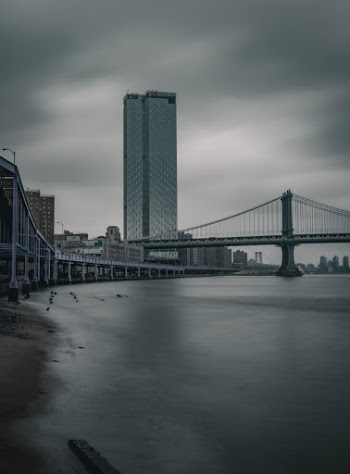
Unsplash ID m3kajaBalaM
By unsplash.com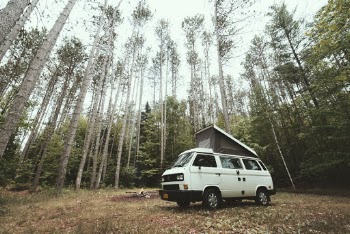
#vanlife in the forest
By unsplash.com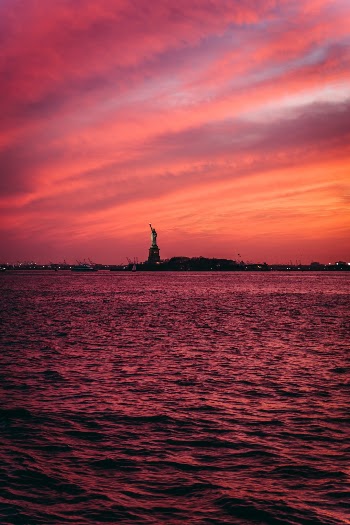
Unsplash ID aa1ktIrQv5I
By unsplash.com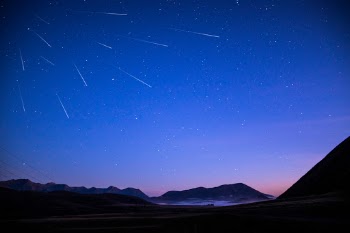
Unsplash ID LNrLkNcCXFc
By unsplash.com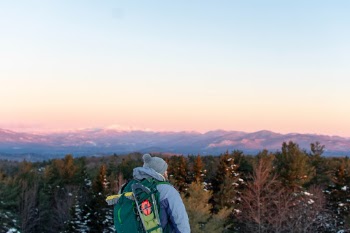
New Hampshire White Mountains.
By unsplash.com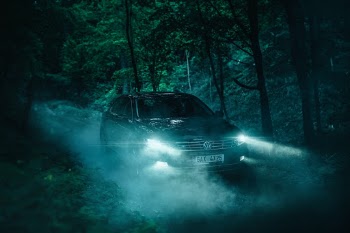
Car at night in the forest - Volkswagen
By unsplash.com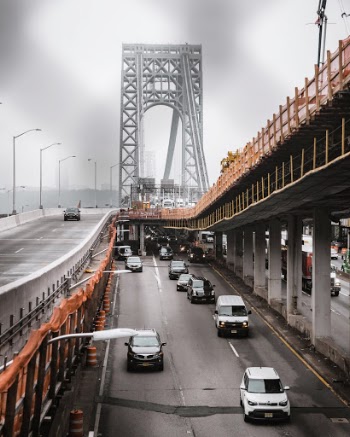
Unsplash ID jLoSfC97FyQ
By unsplash.com