Dish grey


StockBy.AI
2026-05-12 23:27:32
Authentic Chicken Biryani in Rustic Earthenware
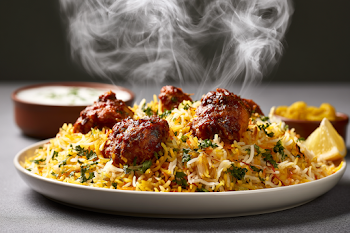
StockBy.AI
2026-05-12 22:53:13
Photorealistic Spicy Chicken Biryani in Ceramic Plate
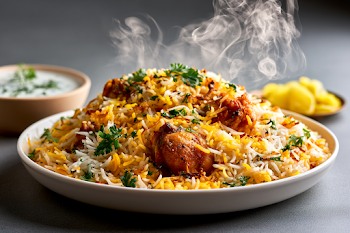
StockBy.AI
2026-05-12 22:52:55
Photorealistic Spicy Chicken Biryani with Raita and Lemon Pickle
SVG Broken butterfly
By freesvg.org
SVG Gray disc or sim card
By freesvg.org
SVG Gray disk icon
By freesvg.org
SVG Floppy disk in monochrome
By freesvg.org
SVG Hard disk drive image
By freesvg.org
SVG Grey disk
By freesvg.org
SVG Hard disk icon
By freesvg.org
SVG Bowl with porridge
By freesvg.org
SVG Floppy disk symbol
By freesvg.org
SVG Floppy disk icon
By freesvg.org
SVG Satellite Dish
By freesvg.org
SVG Vector drawing of grey 3D hard disk icon
By freesvg.org
SVG Vector graphics of red metal tray
By freesvg.org
SVG Vector clip art of grayscale plain platter
By freesvg.org
SVG Vector clip art of gray compact disc
By freesvg.org
SVG Grey CD label vector image
By freesvg.org
SVG DVD recording disc vector
By freesvg.org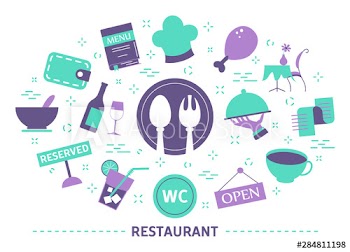
Cafe icon set
By stock.adobe.com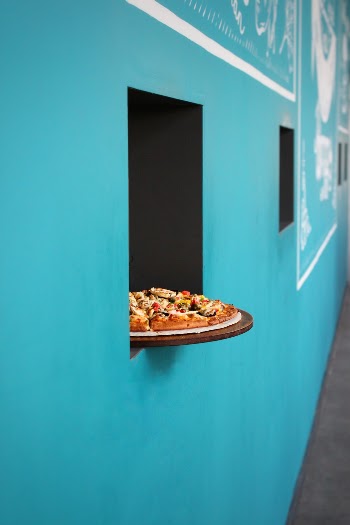
Unsplash ID bsZ-dG3ZMMo
By unsplash.com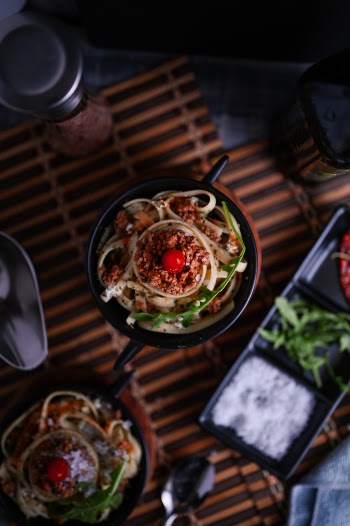
Unsplash ID 8LNFTgW55ws
By unsplash.com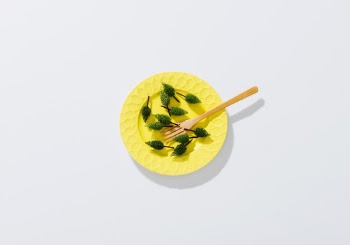
Unsplash ID U7yEk0lRZMg
By unsplash.com
Unsplash ID dU7x--r3sFo
By unsplash.com
Unsplash ID 3kl4hpvceuQ
By unsplash.com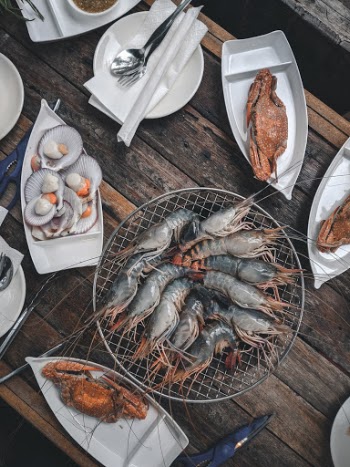
Unsplash ID VItYKuJ0Mng
By unsplash.com
Unsplash ID BbHfeNHKFu0
By unsplash.com
Unsplash ID NBndrTu62n8
By unsplash.com
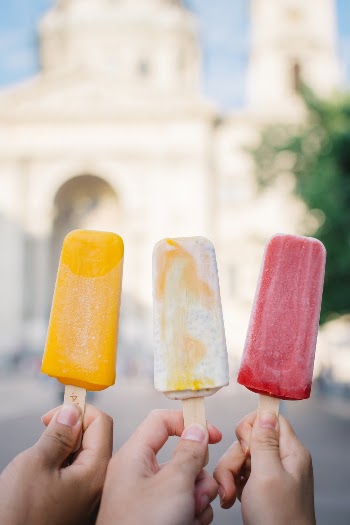
Unsplash ID tAEAxbnj6yk
By unsplash.com
Unsplash ID 5EJzmEqif0Q
By unsplash.com
Unsplash ID p826iRCJ7mw
By unsplash.com
Unsplash ID hSJ1fsUAh0w
By unsplash.com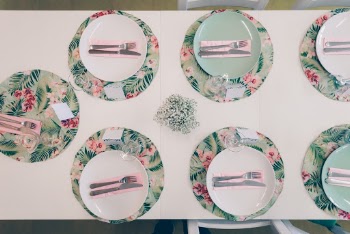
Unsplash ID -n4TI85aJyk
By unsplash.com
Unsplash ID a0oc_F0ZMXw
By unsplash.com
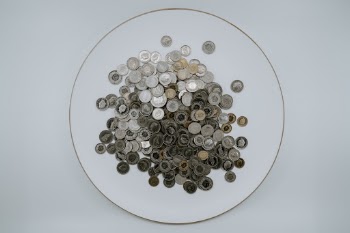
Unsplash ID 8j6_3iUcgec
By unsplash.com
Unsplash ID 8se07e4kIDk
By unsplash.com
Unsplash ID LLLrtqrIlbs
By unsplash.com

Unsplash ID tZyDyTiGQaI
By unsplash.com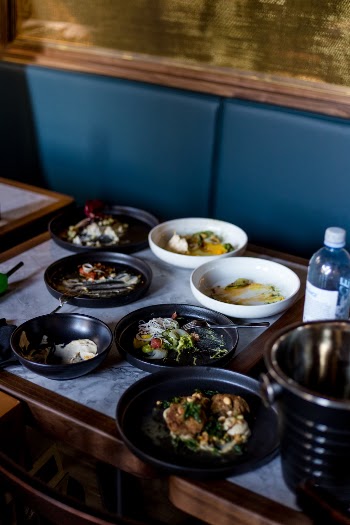
Unsplash ID jsVugQJbktc
By unsplash.com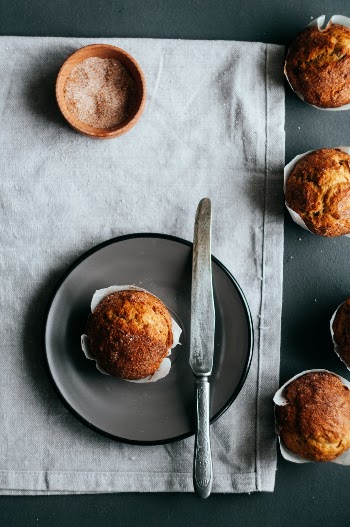
Unsplash ID bfReQOpwtGE
By unsplash.com
Unsplash ID _Lp6kSIQwMc
By unsplash.com
Unsplash ID ukHy-8xl9MA
By unsplash.com
Unsplash ID wTSHZhMXyGg
By unsplash.com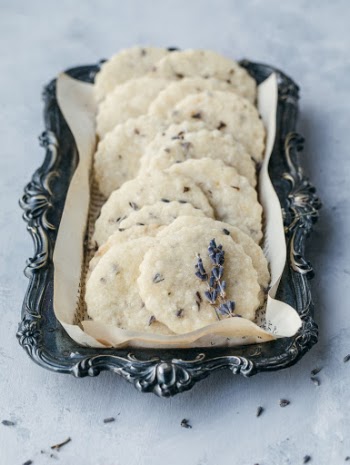
Unsplash ID pn27jpSh7kU
By unsplash.com