Commit outdoor


Luxup
2024-12-28 00:18:55
Six Women in Black Turtlenecks and Airsoft Gear in Urban Setting

SVG Towel giraffe style
By freesvg.org
SVG Man with outdoor hat
By freesvg.org
SVG Yellow comic tent
By freesvg.org
Worried businessman driving car in rain
By stock.adobe.com
Businessman riding bicycle on rainy city street
By stock.adobe.com
Smiling businessman driving car
By stock.adobe.com
Smiling businessman riding bicycle on rainy city street
By stock.adobe.com
Diverse friends holding speech bubbles
By stock.adobe.com
Diverse friends holding speech bubbles
By stock.adobe.com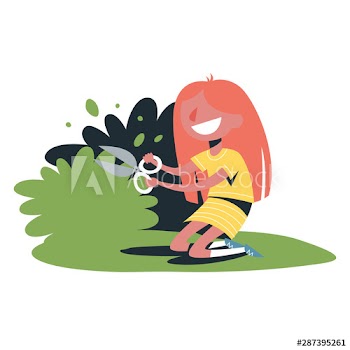
Little child girl cut a green bush
By stock.adobe.com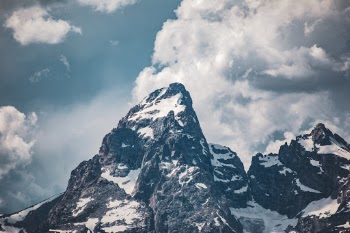
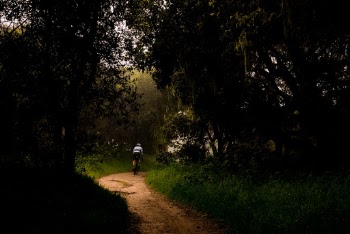
A morning commute through unknown areas.
By unsplash.com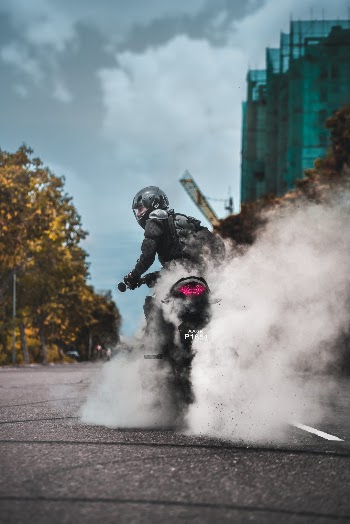
Unsplash ID zdHQhmJU6q4
By unsplash.com
Unsplash ID YTNyRHM9hrw
By unsplash.com
Unsplash ID zJCeldxQS0c
By unsplash.com
Unsplash ID fja8S-aObhM
By unsplash.com
Unsplash ID rSZNTnohlSg
By unsplash.com
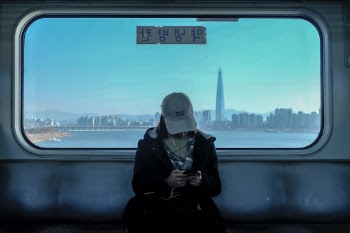
Girl in the train. Overlooking Gangnam.
By unsplash.com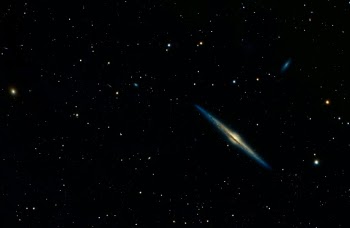
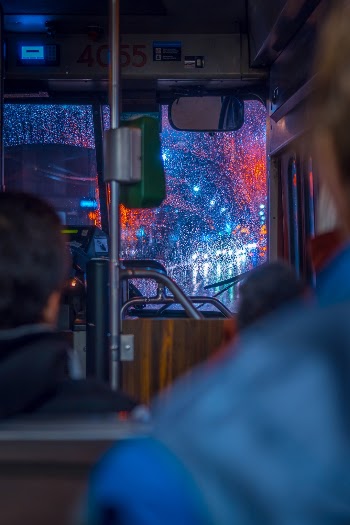
Unsplash ID IsuhiE4qjyc
By unsplash.com
Unsplash ID hk1EKHh4r9E
By unsplash.com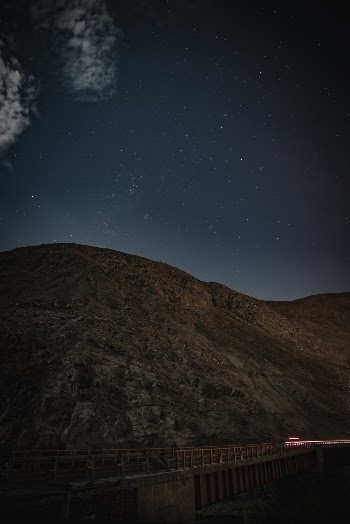
Unsplash ID JMbEJM1ROn0
By unsplash.com
Unsplash ID bp4_d1PiREw
By unsplash.com
Unsplash ID 1QZYkPF-ecM
By unsplash.com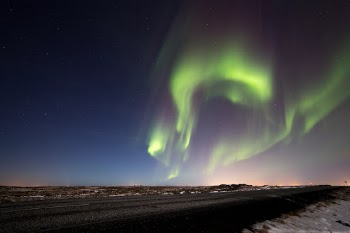
Unsplash ID eDb3-1pRIGo
By unsplash.com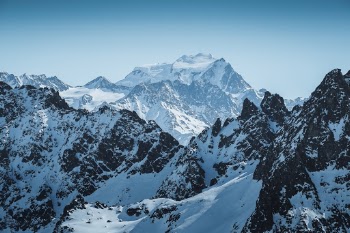
Unsplash ID -SueZ87utdA
By unsplash.com
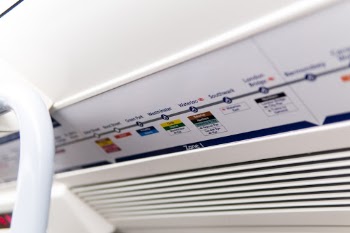
Unsplash ID wzE-Bs00TWA
By unsplash.com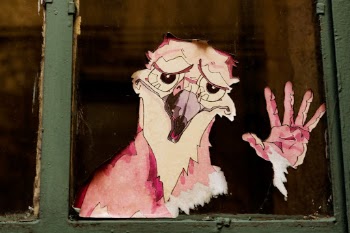
say hi !
By unsplash.com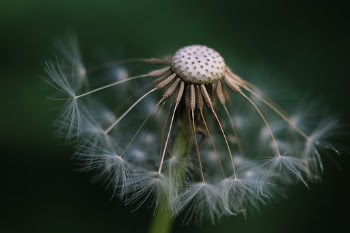
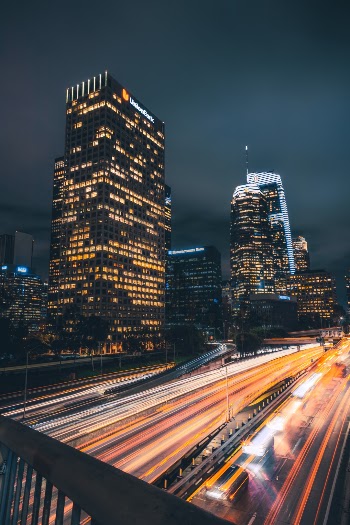
Travel Through
By unsplash.com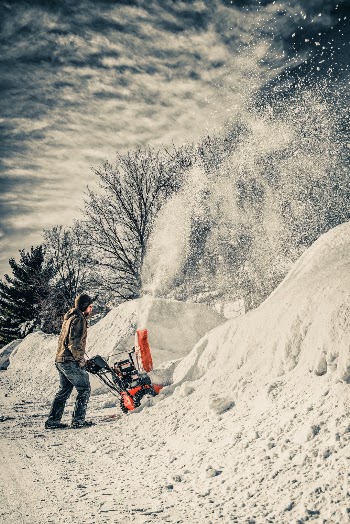
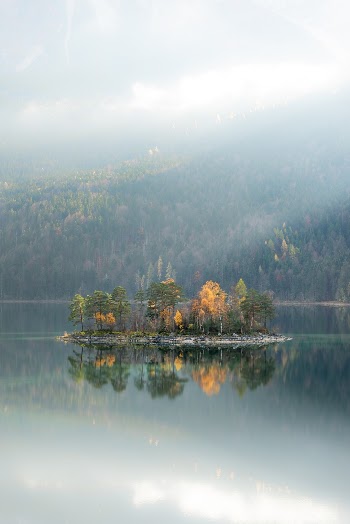
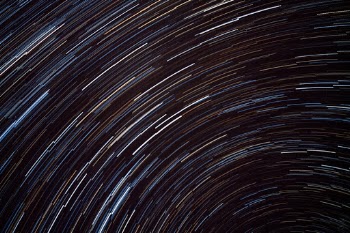
Unsplash ID eUaIxWndTUk
By unsplash.com

Unsplash ID L-1E7iJARW8
By unsplash.com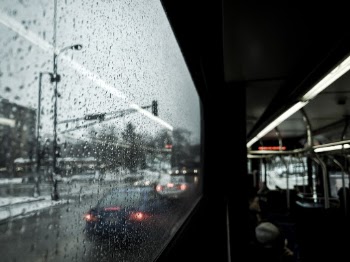
Unsplash ID 4HV1Y570nt0
By unsplash.com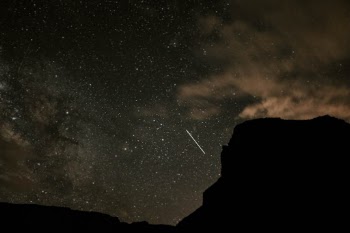
Unsplash ID I21ZchrZO9E
By unsplash.com
Unsplash ID Z3G_NJC0LqI
By unsplash.com
Unsplash ID f-Y4Jjh9JCA
By unsplash.com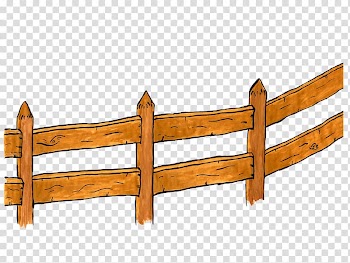
Fence Watercolor painting Comics Cartoon, Fence transparent background PNG clipart
By www.hiclipart.com
Graduation Ceremony Child Cartoon Clip Art - Graduation Boy Clipart Png
By www.clipartmax.com
Cute Cartoon Baby Boy Clipart - Cute Animated Baby Boy
By www.clipartmax.com
Cartoon Guy Letting Money Fly - Cartoon Guy With Money
By www.clipartmax.com
Money Clipart Fly Away - Money Flying Away Cartoon
By www.clipartmax.com
Native American Teepee Clipart - Cartoon Teepee Png
By www.clipartmax.com