Spherical glass dome, bell jar realistic vectors Free Vector

- Author
- vectorpocket
- Shared by
- Anonymous
- Type
- vector
- Source
- www.freepik.com
- Posted
- 2019-10-31 11-54-12
- DMCA
- Contact
Discover more at hemisphere spherical page

SVG Northern hemisphere globe vector illustration
By freesvg.org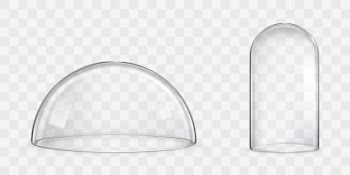
Spherical glass dome, bell jar realistic vectors Free Vector
By www.freepik.com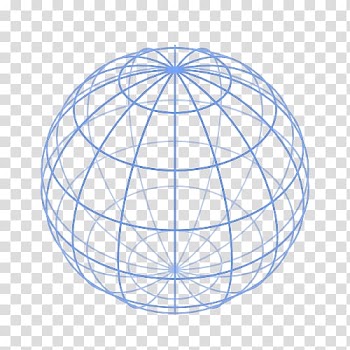
Sphere Globe Map Wire-frame model, spherical transparent background PNG clipart
By www.hiclipart.com

StockBy.AI
2026-11-08 11:46:22
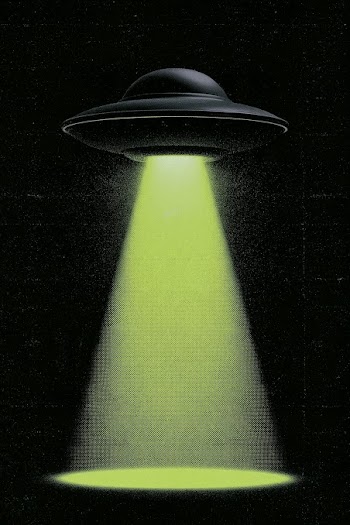
Retro Minimalist UFO Poster

StockBy.AI
2026-11-07 23:05:59
Joyful Portrait of a Stylish Woman in Natural Light

StockBy.AI
2026-11-07 23:05:24
Delicate Plum Blossoms in Watercolor

StockBy.AI
2026-11-07 23:04:46
Grandmother and Grandchild Making Traditional Hoi An Lanterns

StockBy.AI
2026-11-07 14:57:12
Joyful Cat and Dog Moving Together


Podium, abstract geometric empty hemisphere stage Free Vector
By www.freepik.com
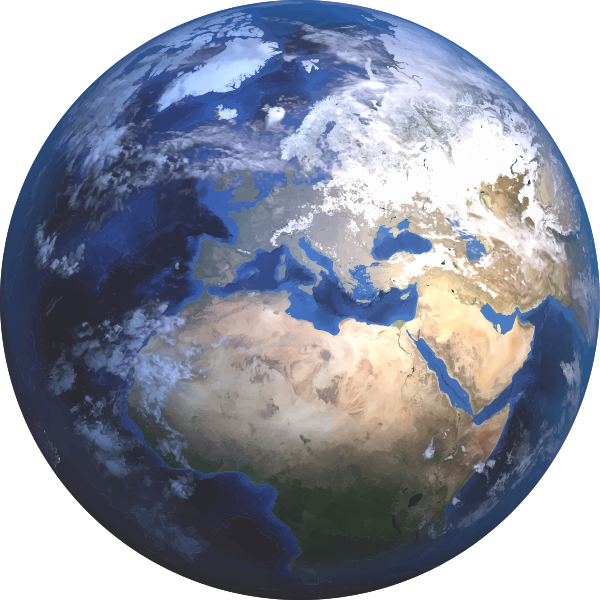
SVG Blue planet Earth
By freesvg.org
SVG spherical buoy
By freesvg.org
SVG spherical buoy
By freesvg.org
Cosmetics bottles on podium perfume ad banner Free Vector
By www.freepik.com
Cosmetic bottle on geometric podium banner Free Vector
By www.freepik.com
Colonization of planet, space station, bunker Free Vector
By www.freepik.com
Fantastic human brain infographic with color details Free Vector
By www.freepik.com
SVG spherical buoy
By freesvg.org
Analytical and creative brain Free Vector
By www.freepik.com


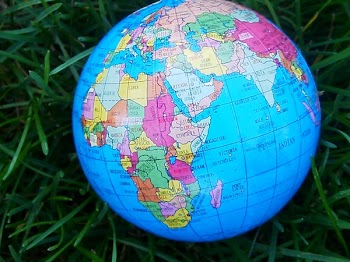
cv9g9g 011.jpg
By morguefile.com

globe map scroll lot
By unsplash.com
SVG Blue ball vector image
By freesvg.org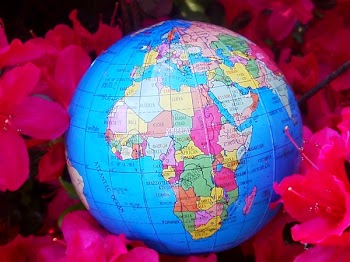
cv9g9g 009.jpg
By morguefile.com
Penguin flat vector illustration
By stock.adobe.com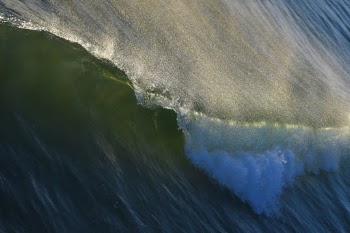
Unsplash ID nMIcYTaUHfQ
By unsplash.com
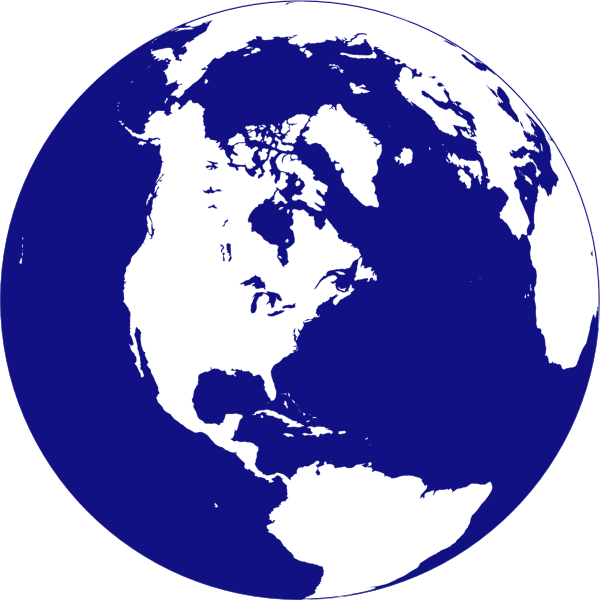
SVG Northern hemisphere globe vector clip art
By freesvg.org
Spice God - Ears Do Not Cross Hemispheres Shower Curtain
By www.clipartmax.com
white security camera on post
By unsplash.com
SVG spherical buoy safe water mark
By freesvg.org
SVG spherical buoy
By freesvg.org
SVG Spherical jigsaw puzzle
By freesvg.org
SVG Line pattern clip art
By freesvg.org
SVG Earth southern hemisphere vector clip art
By freesvg.org
SVG Spherical shape with colorful tiles
By freesvg.org
SVG Spherical shape
By freesvg.org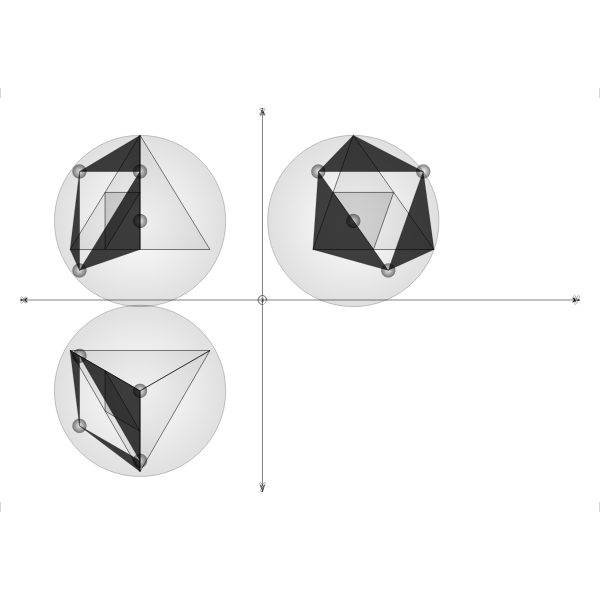
SVG 0710 from tetrahedron to geodesic dome frequncy 2n
By freesvg.org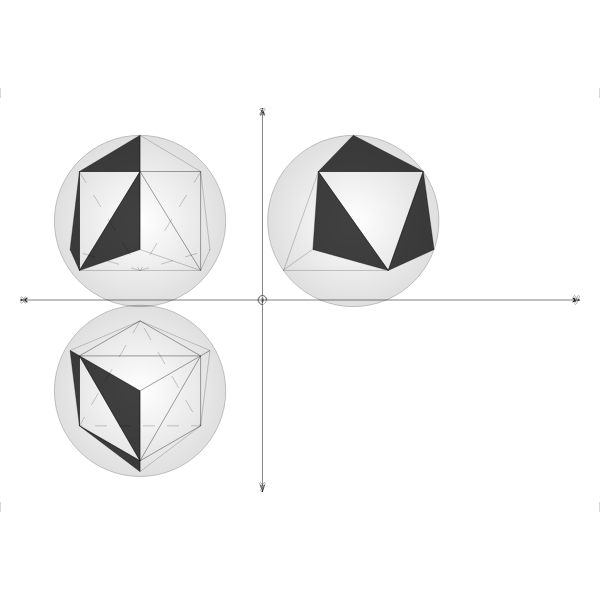
SVG 0810 from tetrahedron to geodesic dome frequncy 2n
By freesvg.org
SVG Spherical floral shape
By freesvg.org
SVG Spherical shape with curved stripes
By freesvg.org
SVG Spherical buoy vector clip art
By freesvg.org
SVG Pin with spherical head vector image
By freesvg.org
SVG 3D Spherical line
By freesvg.org
SVG 3D Spherical volume
By freesvg.org
SVG 3D Spherical area
By freesvg.org
SVG Freaky Planet
By freesvg.org