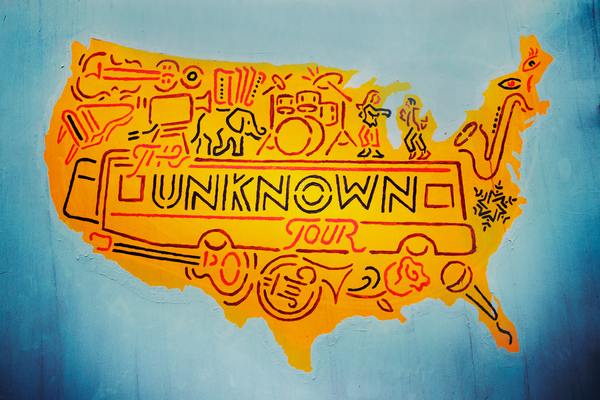
orange The Unknown Tour USA map illustration
Discover more at append unknown page



The Unknown Clipart - Point D Interrogation Png
By www.clipartmax.com

Cloud Kids - Aprende Con El Chavo Png
By www.clipartmax.com

StockBy.AI
2026-11-24 12:00:52
Futuristic Blind Civilian NPC in Urban Outfit
StockBy.AI
2026-11-24 10:47:05
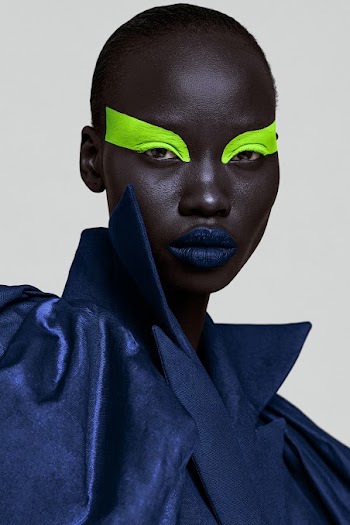
Avant-Garde Fashion Editorial Portrait with Neon Makeup

StockBy.AI
2026-11-22 23:49:55
Whimsical Bird on a Soft Cloud
StockBy.AI
2026-11-22 23:49:41
Pastel Christmas Pattern on Iridescent Glass

StockBy.AI
2026-11-22 23:49:27
Santa Claus Flying in a Sleigh with Reindeer


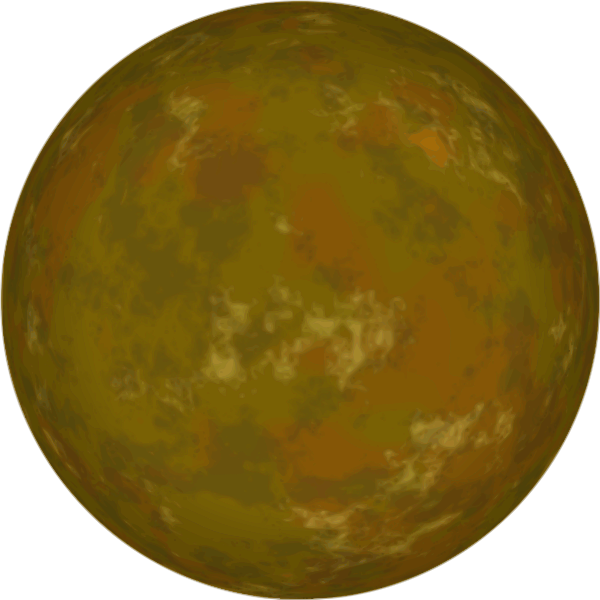
SVG Unknown planet
By freesvg.org

Luxup
2025-01-12 23:45:43
PNG Playful Cartoon Sheep Badge in Gold Frame with Checkered Pasture
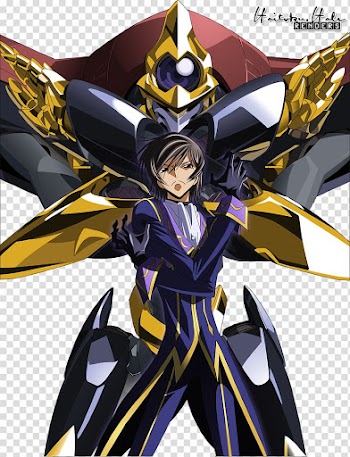

Luxup
2025-01-09 11:34:29
PNG Turmeric Root on White Surface - Ultra HD Commercial Photography
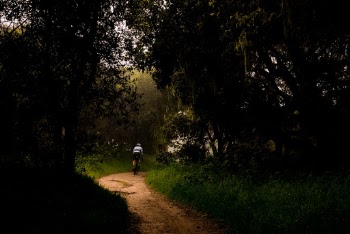
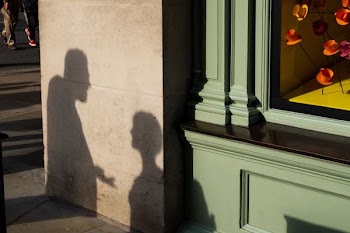
A morning commute through unknown areas.
By unsplash.com
Luxup
2024-12-11 00:55:23
Whispers of the Unknown: A Minimalist Portrait

StockBy.AI
2025-03-20 22:36:02
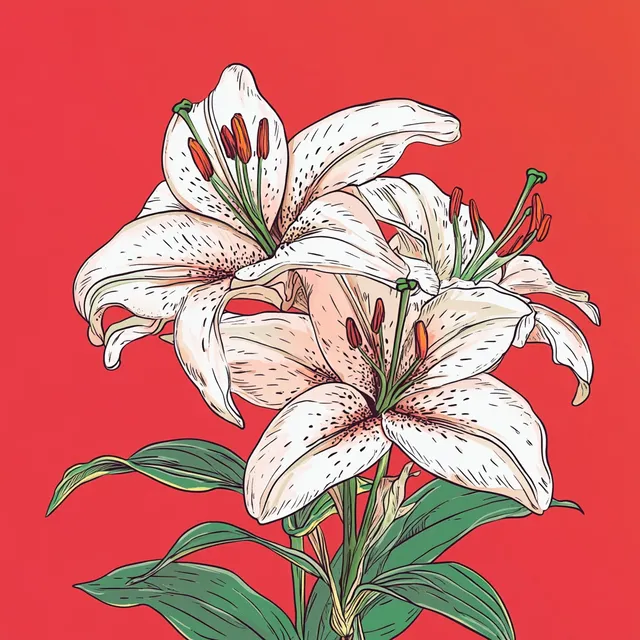
Vibrant Hand-Drawn Bouquet of Lilies with Striking Petals

Luxup
2024-12-05 01:31:58
Bold 3D Black Friday Text Design


SVG Space shuttle
By freesvg.org
Luxup
2025-02-04 18:09:42
Chamomile Flowers Greeting Card Design with Soft Pink Accents

Luxup
2024-12-07 17:59:23
Raw Kebab: A Culinary Delight

Luxup
2024-12-05 00:42:26
Futuristic 3D Bubble Numbers: 2025 in Vibrant Colors
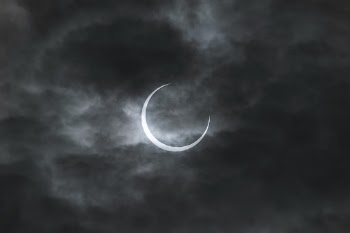

Luxup
2024-12-10 23:33:37
Glowing Neon 2025: A Modern Sign Design

SVG Fictional movie poster
By freesvg.org
SVG Index finger pointed at you
By freesvg.org
unknownsoldier_grave.JPG
By morguefile.com
Luxup
2024-12-05 01:36:53
Stunning 3D Black Friday Sale: Golden 'SALE' Centerpiece


c4ddownload
2024-07-20 02:03:45
Shiko Çapkeni I Pasur seriale turke me titra shqip.
By shqipserialeturk.com
Luxup
2024-12-05 01:40:25
Get 50% Off – Limited Time Offer!

Luxup
2024-12-05 01:34:59
Bold Black Friday Announcement in Helvetica Style

Luxup
2024-12-07 01:47:22
Classic Christmas Cake with Holly Centerpiece

Luxup
2024-12-15 15:41:49
Hyper-Realistic Green Olives with Olive Oil Drops

Luxup
2024-12-09 21:41:48
Electric Blue Titanium Star on White Cyclo Background
Luxup
2024-12-09 18:06:41
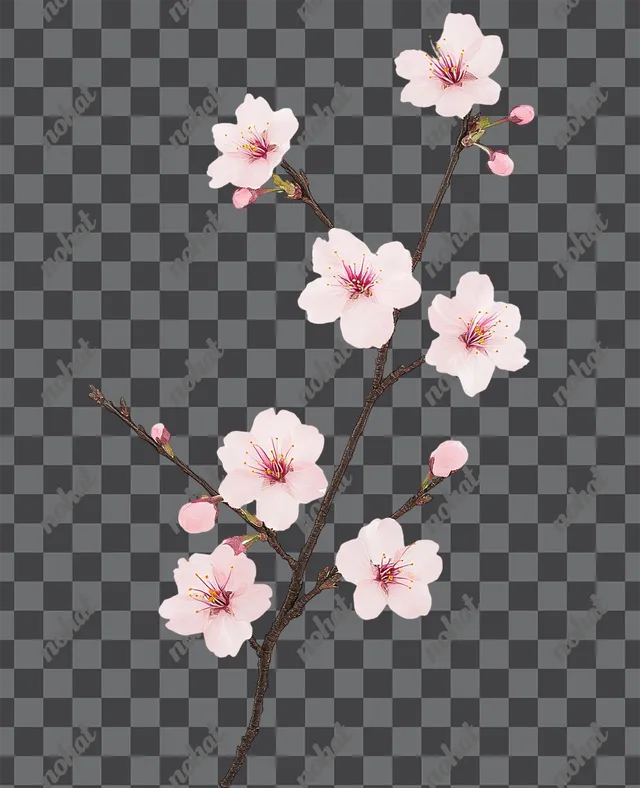
Delicate Cherry Blossom Branch with Buds and Blooms
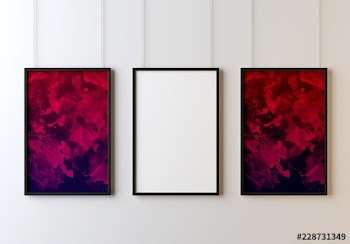
Modelli di cornici appese in galleria
By stock.adobe.com
Woman feel the chest discomfort
By stock.adobe.com
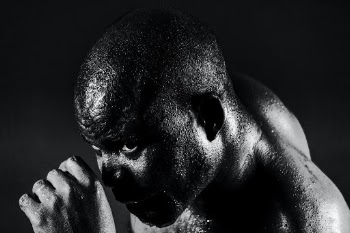
Activity
By unsplash.com
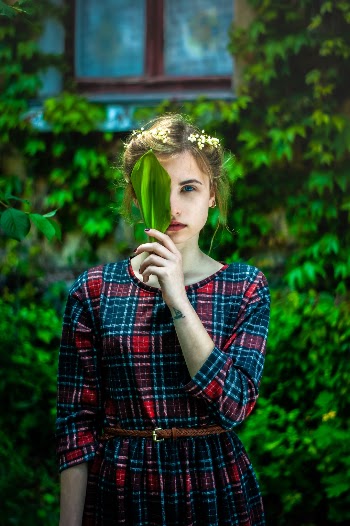

Unsplash ID 1eiUyHTpcn8
By unsplash.com



Fear of death
By stock.adobe.com
woman holding head standing between trees
By unsplash.com
green leafed plant
By unsplash.com
person standing on orange, yellow, and black tiled surface
By unsplash.com
orange The Unknown Tour USA map illustration
By unsplash.com