2018 firecracker text overlay
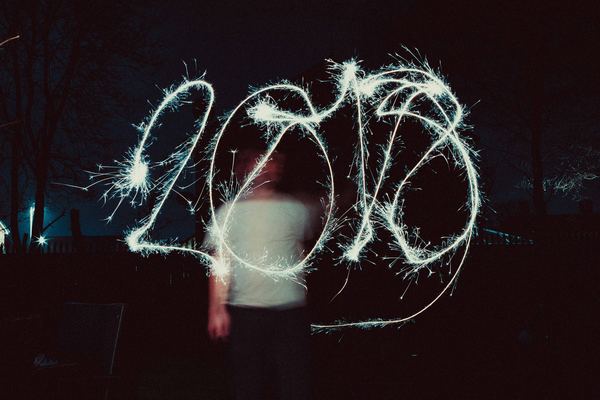
Discover more at new year long exposure page


Christmas Tinsel New Year tree , hantel transparent background PNG clipart
By www.hiclipart.com

Life is a Highway - Future Concept
By freerangestock.com

StockBy.AI
2026-11-22 23:49:55
Whimsical Bird on a Soft Cloud

StockBy.AI
2026-11-22 23:49:41
Pastel Christmas Pattern on Iridescent Glass
StockBy.AI
2026-11-22 23:49:27
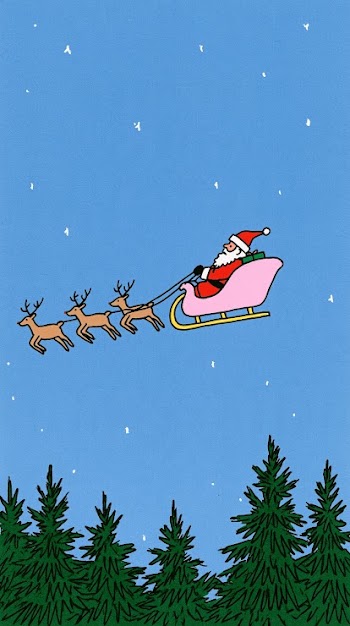
Santa Claus Flying in a Sleigh with Reindeer

StockBy.AI
2026-11-22 23:00:30
Elegant Burgundy Velvet with Art Deco Sunburst

StockBy.AI
2026-11-22 22:58:41
Quiet Connection at the Valley Edge
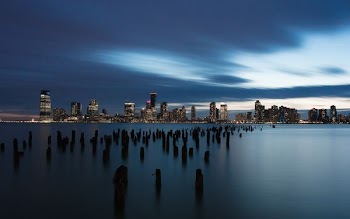
panorama photo of city under cloudy sky during daytime
By unsplash.com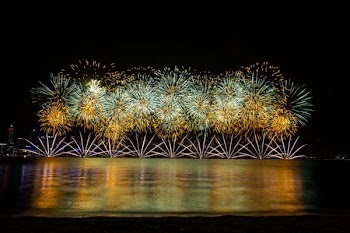
time lapse photography of fireworks
By unsplash.com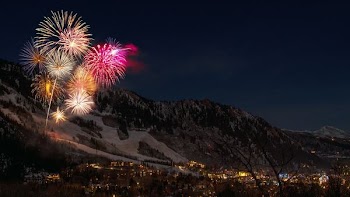
fireworks display from snow capped mountain during nighttime
By unsplash.com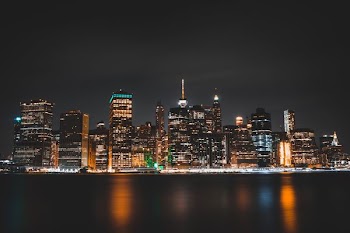
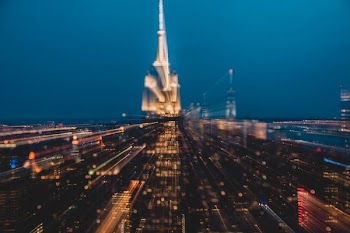
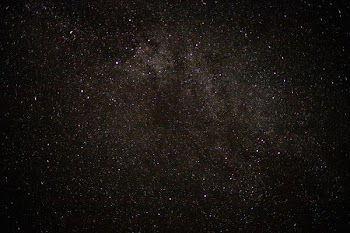
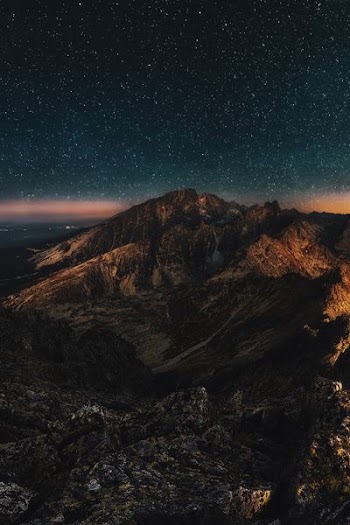
starry night
By unsplash.com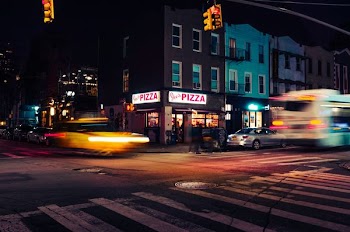
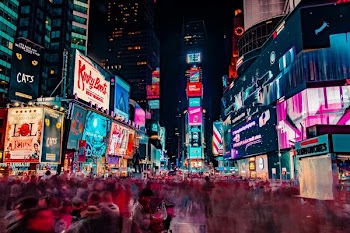
several vehicle passing by Pizza store
By unsplash.com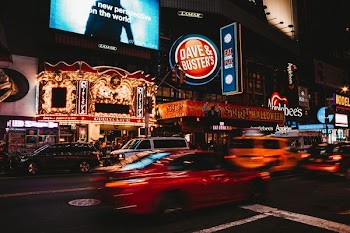
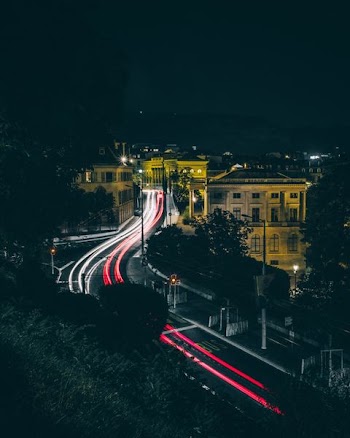
vehicles passing beside building
By unsplash.com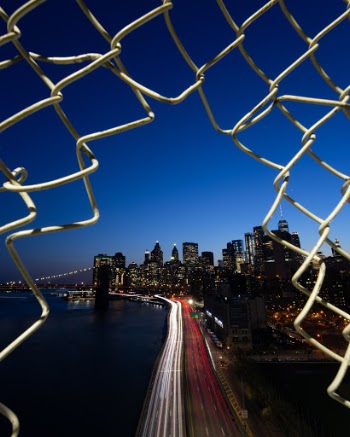
Unsplash ID fzyks6aJDkQ
By unsplash.com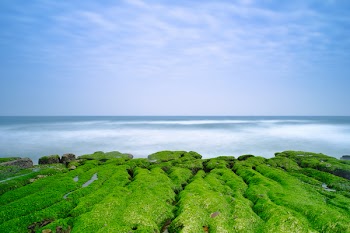
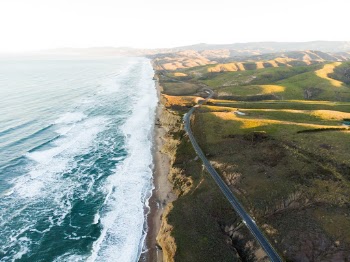
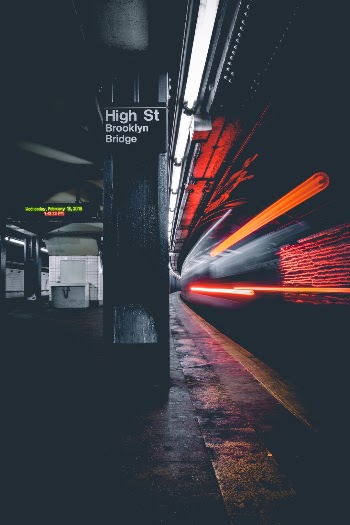
Blazing Trails
By unsplash.com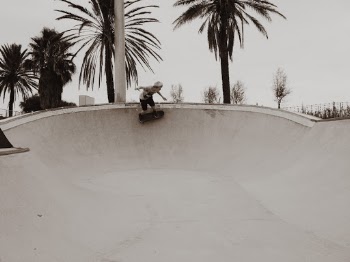
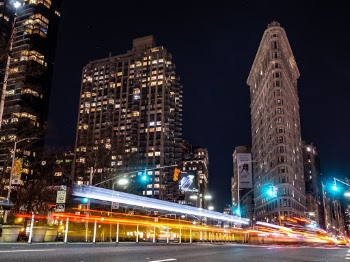
Unsplash ID UQXlVumSGHE
By unsplash.com
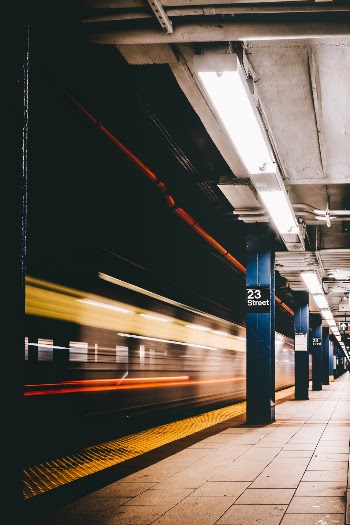
Unsplash ID b27gdg7LPUU
By unsplash.com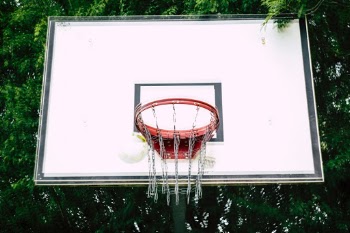

Unsplash ID VHodl2n94kA
By unsplash.com
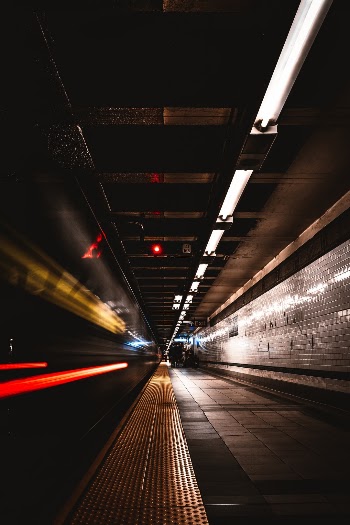
Unsplash ID yF9yF94sLoM
By unsplash.com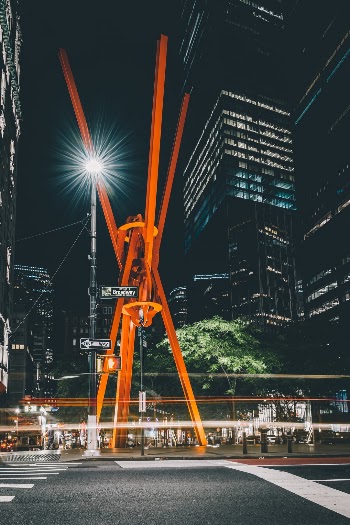
Unsplash ID OLq8VsRHoz0
By unsplash.com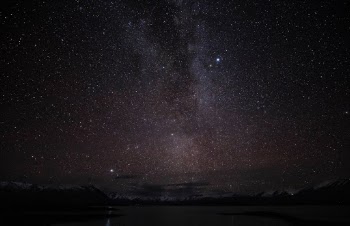
Unsplash ID HUGWwCoOuz0
By unsplash.com
A Solo
By unsplash.com
Santa Claus reading a long list of gifts
By stock.adobe.com
Santa Claus reading a long list of gifts
By stock.adobe.com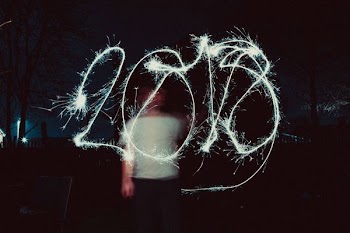
2018 firecracker text overlay
By unsplash.com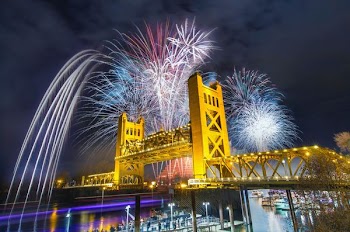
bridge with fireworks during nighttime
By unsplash.com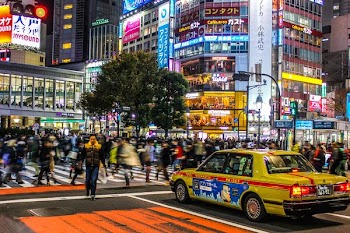
people walking at pedestrian lane
By unsplash.com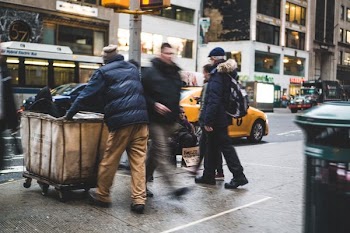
man walking on street beside man pushing cart
By unsplash.com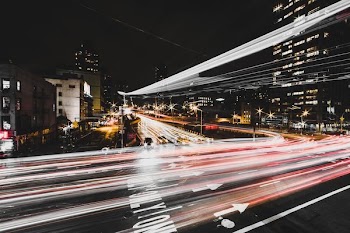
timelaps photography of road during nighttime
By unsplash.com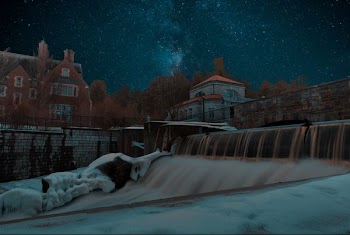
illustration of falls
By unsplash.com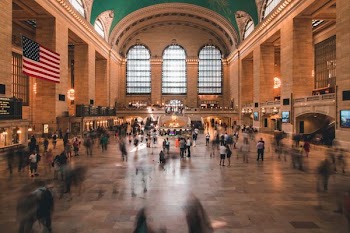
people in museum
By unsplash.com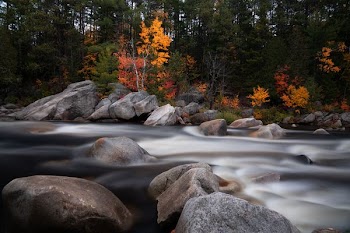
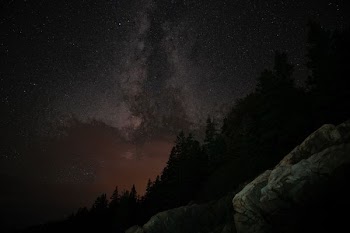
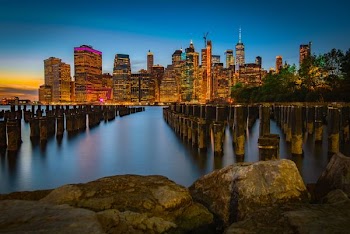
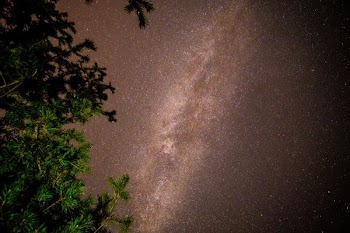
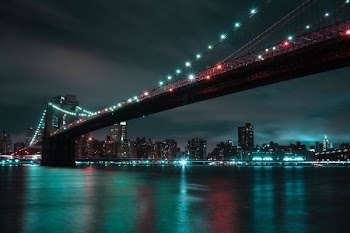
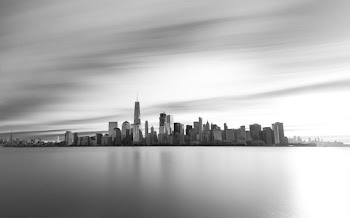
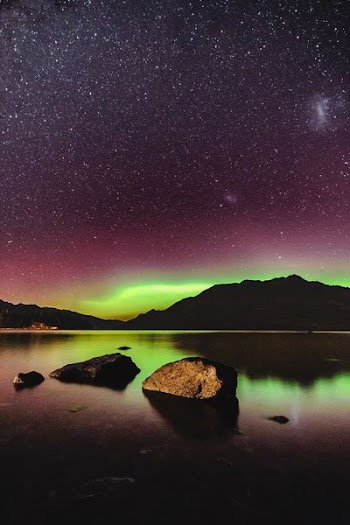
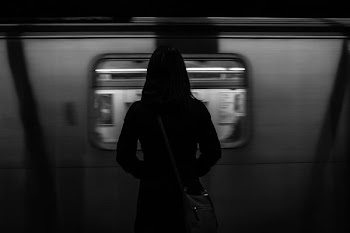

long exposure photography of body of water
By unsplash.com
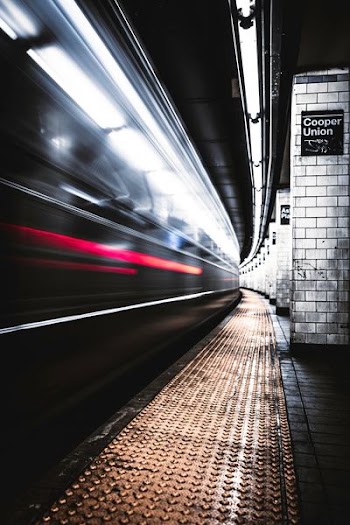
time lapse photography of train in tunnel
By unsplash.com