Pollen nature - Page 2
Best match
Newest
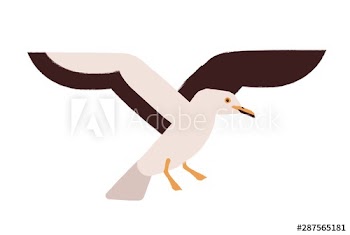
Flying seagull flat vector illustration
By stock.adobe.com

Polar bear
By stock.adobe.com
Mountain tourism
By stock.adobe.com

Nordic walker in winter clothes exercises with walking poles vector illustration
By stock.adobe.com
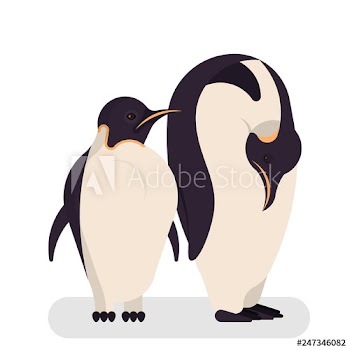
Cute penguin
By stock.adobe.com

Funny cute penguin
By stock.adobe.com
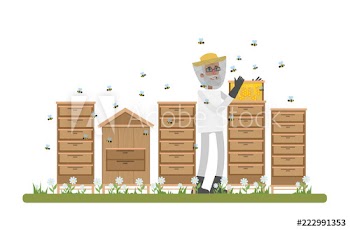
Beekeeper standing in apiary and collecting honey
By stock.adobe.com
Unsplash ID 15IUVkHJP2I
By unsplash.com

Colorful Bloom of a Lilly
By unsplash.com
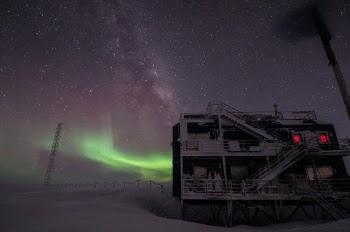
Aurora australis and Milky Way seen over NOAA Atmospheric Research Observatory
By unsplash.com
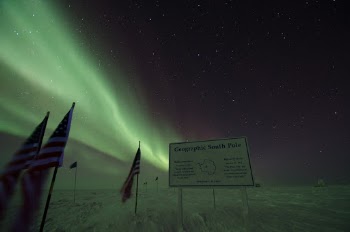
Starry night with aurora australis over the geographic South Pole.
By unsplash.com
Floral double exposure shot on 120 film
By unsplash.com

Scientists arriving at South Pole Station and disembarking from C-130 aircraft.
By unsplash.com
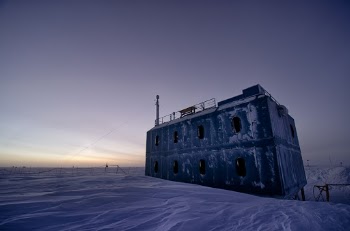
The sun is returning seen illuminating the Atmospheric Research Observatory a few weeks before it finally peaks over the horizon.
By unsplash.com
Unsplash ID 8-bZnMIAz-c
By unsplash.com
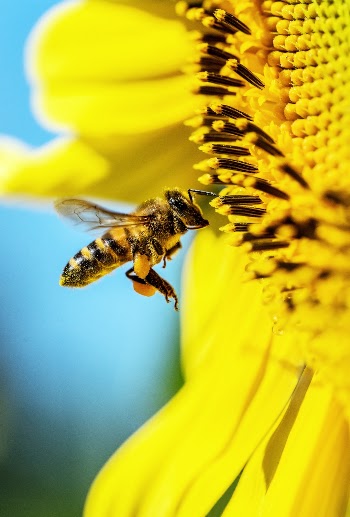
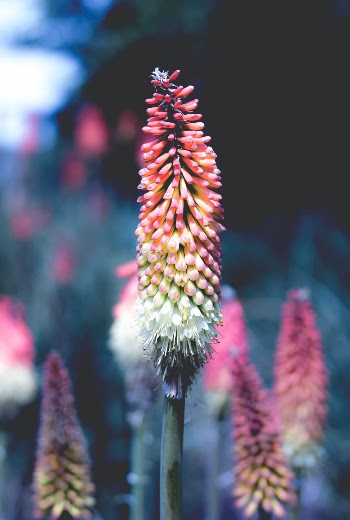
Working bee. A busy bee visits a sunflower for pollen and nectar.
By unsplash.com
Unsplash ID g88X8b1byPA
By unsplash.com
Unsplash ID PBIMlz4x6go
By unsplash.com

Unsplash ID _ey5lSgfBDs
By unsplash.com
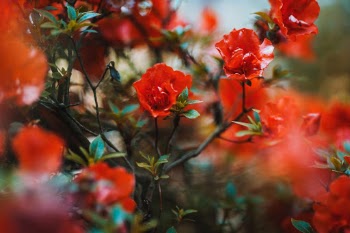
Unsplash ID Z9Wcigq8kAY
By unsplash.com

Unsplash ID x_9Btz9Pczo
By unsplash.com
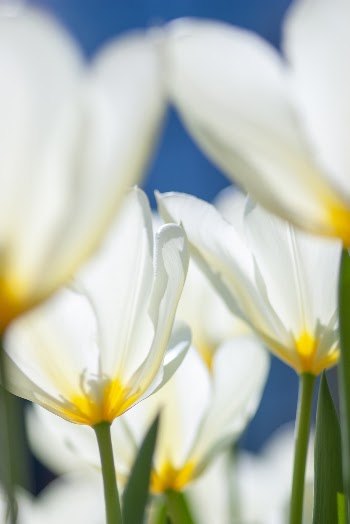
Unsplash ID 8-0Qv5D0X2A
By unsplash.com

Unsplash ID H9nUcTLFpD8
By unsplash.com

Persian flowers and plants
By unsplash.com
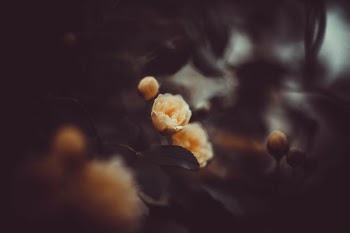
Unsplash ID 3tvnHnUXjDU
By unsplash.com
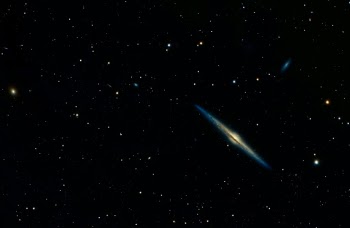
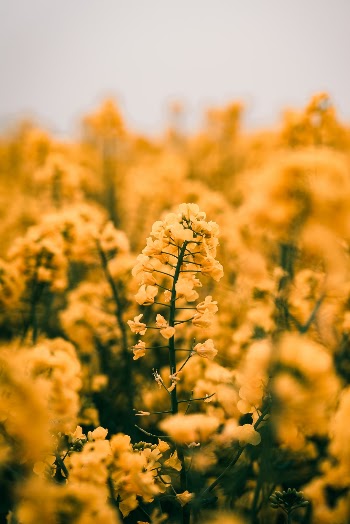
NGC 4565 – the Needle Galaxy Located between 30 – 50 million light years away, it’s the most prominent edge-on spiral galaxies we have in our view. Residing near the North Galactic Pole in the constellation Coma Berenices (named for “Berenice's Hair" in Latin and refers to Queen Berenice II of Egypt, who cut off her hair in gratitude to the gods for the safe return of her husband from battle), it has a spatial diameter of 140,000 light-years (Milky Way = 105,000 ly) and is estimated to contain a trillion stars (Milky Way 250-400 billion). With the darkness from a central dust lane obscuring much of the visual core of the galaxy, it’s very similar to our view of the core our Milky Way, and as such is studied extensively by astronomers.
By unsplash.com
Unsplash ID ebT8GZonwxk
By unsplash.com
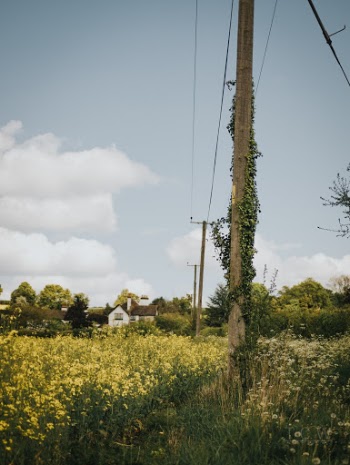
Felt it gave a rather mystical look. So here! :)
By unsplash.com

Unsplash ID kdafHZZzmTI
By unsplash.com
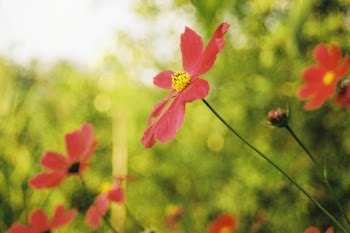
Unsplash ID xMu7TwjyrFs
By unsplash.com
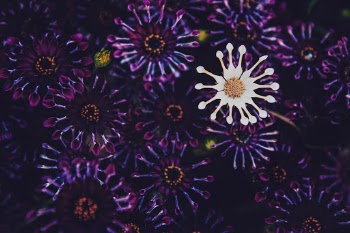
Whirligig flowers, also known as: Osteospermum, African Daisy or Cape Daisy.
By unsplash.com
Unsplash ID h5BWqSDPl9s
By unsplash.com

Flying over the North Pole
By unsplash.com
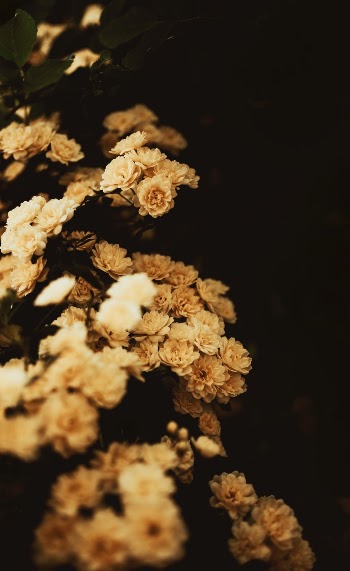

Rosa banksiae is known as a rose without thorns. They are easy to grow and create arches and fences of flowers.
By unsplash.com
Unsplash ID QERchF4C9ug
By unsplash.com

Slowing down to pay attention to the quiet brilliance in nature really allows you to view reality through a lens of beauty.
By unsplash.com
Unsplash ID 8z9YVLkDwTU
By unsplash.com
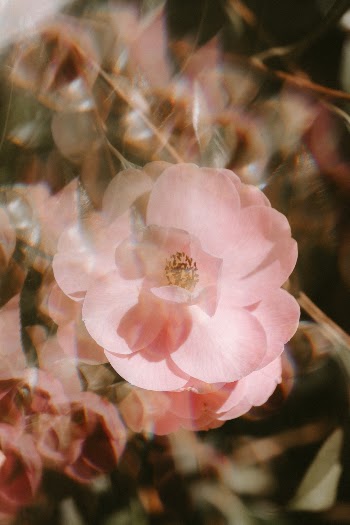
Unsplash ID 9DedxUSwLg4
By unsplash.com
Unsplash ID nIimx1QSCHE
By unsplash.com
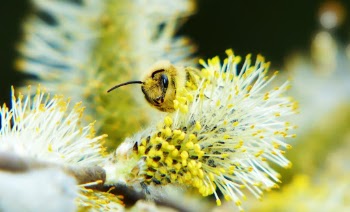

Kotka, bazia, owad, pszczoła miodna, wiosna, pory roku, apiformes
By unsplash.com
Unsplash ID Sjqpt06Tun0
By unsplash.com
One in a million flowers
By unsplash.com
Unsplash ID dLgh-IdELuM
By unsplash.com
Unsplash ID vnJ3_GNYSWQ
By unsplash.com

Unsplash ID VyMIKf0Me7Q
By unsplash.com
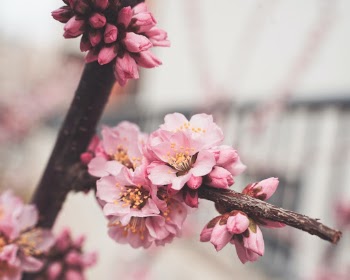
Unsplash ID KhT1rBws7Oo
By unsplash.com
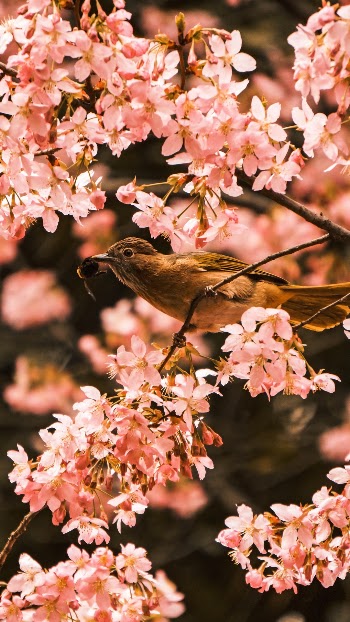
Unsplash ID t_Vy7D51gdE
By unsplash.com
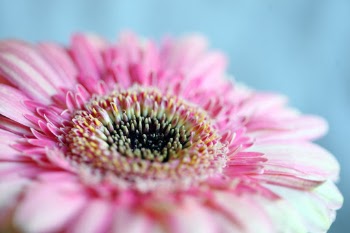
Close up of a pink Gerber daisy
By unsplash.com
Unsplash ID 9KCbsRmbqsA
By unsplash.com

Unsplash ID qIHIGRxB_tw
By unsplash.com
Previous
Next
Home
New files
About
Search tips
Privacy Policy
DMCA Policy
Copyright Policy
File Upload Policy
Terms of service
Refund and cancellation
Security
Contact
Sitemap
Bye