Your browser does not support JavaScript! Our sites need it to work more smooth

Grey planter - Page 3

Unsplash ID 6DANqVDDO9w

By unsplash.com

Unsplash ID oWJcgqjFb6I

By unsplash.com

Unsplash ID M74q3kQVeMA

By unsplash.com

Unsplash ID M7Ql2NohHC4

By unsplash.com

Unsplash ID G7Li2nakJcw

By unsplash.com

Unsplash ID sToenEp42P8

By unsplash.com

Unsplash ID iE-BZeZUtO8

By unsplash.com

Unsplash ID i1mahOiL4FQ

By unsplash.com

Unsplash ID VsO1UZGUaaU

By unsplash.com

Unsplash ID iH844EdBTkc

By unsplash.com

Unsplash ID xW8jfKAv87U

By unsplash.com

Unsplash ID TsiKEFJCz_Q

By unsplash.com

pocket full of flowers.

By unsplash.com

Unsplash ID j_AiNQGdRmw

By unsplash.com

Unsplash ID BJ9GDoNDnug

By unsplash.com

Unsplash ID 4rCu6te82xE

By unsplash.com

Unsplash ID KGBaSzm0Jvo

By unsplash.com

Unsplash ID AHTzAu5xJnw

By unsplash.com

Unsplash ID mmLDrJHkXfU

By unsplash.com

Unsplash ID vGW9j6YMwp0

By unsplash.com

Unsplash ID bwuyJ40MwJA

By unsplash.com

Unsplash ID Xlzx6sEoenQ

By unsplash.com

Unsplash ID JqMNEABemV4

By unsplash.com

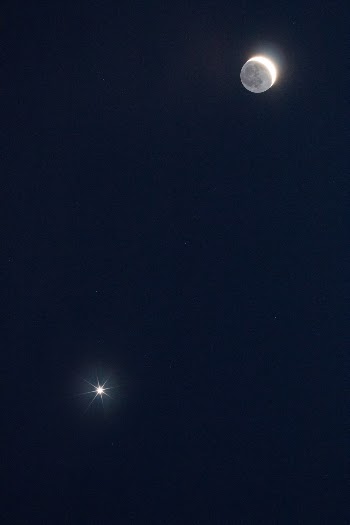
Moon and Venus

By unsplash.com

Unsplash ID GA3_Rp-m9jc

By unsplash.com

Unsplash ID dnLTCzkeDxs

By unsplash.com

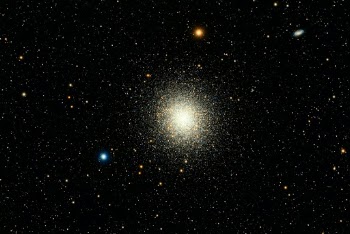
Messier 13 – the Great Globular Cluster in Hercules Located in the armpit of the constellation Hercules, M13 is one of the best known globular clusters in the northern hemisphere. Discovered by Edmond Halley (for whom the comet is named) in 1714 and cataloged by Charles Messier in 1764, it’s a cluster of several hundred thousand closely grouped stars. The stars are about 100 times more densely packed than in our area of the galaxy. It’s estimated to be approximately 22.2 thousand light years away, with a diameter of 145 light years. The galaxy in the upper right is NGC 6207, which is about 30 million light years away and 34,000 light years across. Globular clusters reside in the halo of a galaxy as opposed to the disk and are bound together by gravitational forces. There are about 150 known globular clusters in the Milky Way, with an estimated 20 more hidden by dust lanes. They are generally comprised of very old stars, and M13 is estimated to be 11.65 billion years old. The process in which globular clusters are created is largely unknown, but it’s hypothesized that they originate from areas of starburst activity and interactions between galaxies. There is no known active star formation in any of theses clusters, but due to the proximity of the stars collisions occur, and new stars are created. These new stars are called “blue stragglers”, some of which may be seen in the photo. The proximity of the stars (on average about one light year apart) also creates many binary star systems (think Tatooine), but due to the age and makeup of the stars there are very few with planets. This is about 3:15 hours of exposure.

By unsplash.com

Unsplash ID ObtrG1UaVP0

By unsplash.com

Unsplash ID WzOvRQ4aQJM

By unsplash.com

Unsplash ID 40HG6Nk6Fio

By unsplash.com

Unsplash ID ZYtDVTBUAJA

By unsplash.com
Unsplash ID VAXetAO-9nc

By unsplash.com
Unsplash ID ODjT0FbSA5U

By unsplash.com

Unsplash ID 2mRbXJuJVxY

By unsplash.com
Unsplash ID y_EOdla_IBc

By unsplash.com
Unsplash ID R8kRvIvZ0IY

By unsplash.com

Unsplash ID ccCSwfkJxZA

By unsplash.com

Unsplash ID oxP0veO6pWk

By unsplash.com

Unsplash ID 891Nq0mG8k8

By unsplash.com

Unsplash ID k6GfuLJsnhg

By unsplash.com

Unsplash ID P9QK5Ant51A

By unsplash.com

Unsplash ID MNDs5k20cco

By unsplash.com

Unsplash ID 6wTmxddgiow

By unsplash.com

Unsplash ID dbORTH6dYfU

By unsplash.com

Unsplash ID kP7eZi-75as

By unsplash.com
Bye