Challis - Page 2

SVG new penguin charles
By freesvg.org
SVG Two doctors
By freesvg.org
SVG Signal flag in three colors
By freesvg.org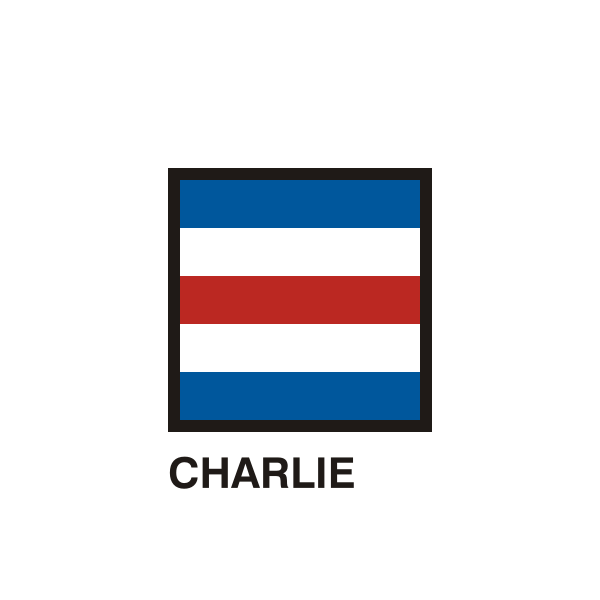
SVG Gran Pavese flags Charlie flag
By freesvg.org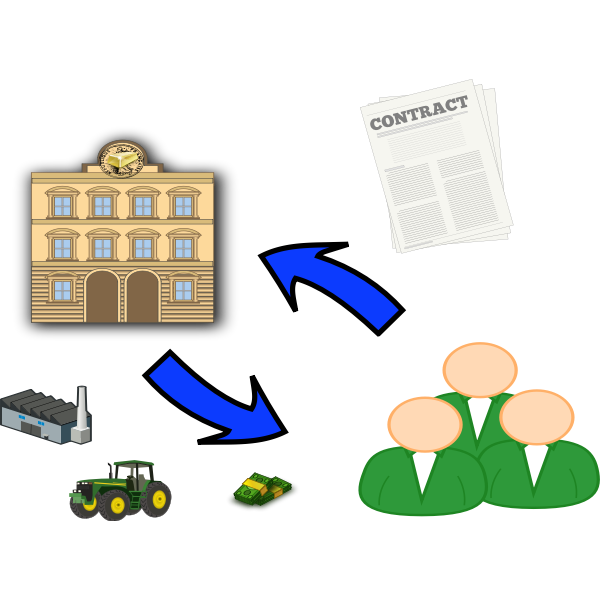
SVG Public productive credit
By freesvg.org
SVG DB9 chassis connector
By freesvg.org
SVG Octoberfest icons
By freesvg.org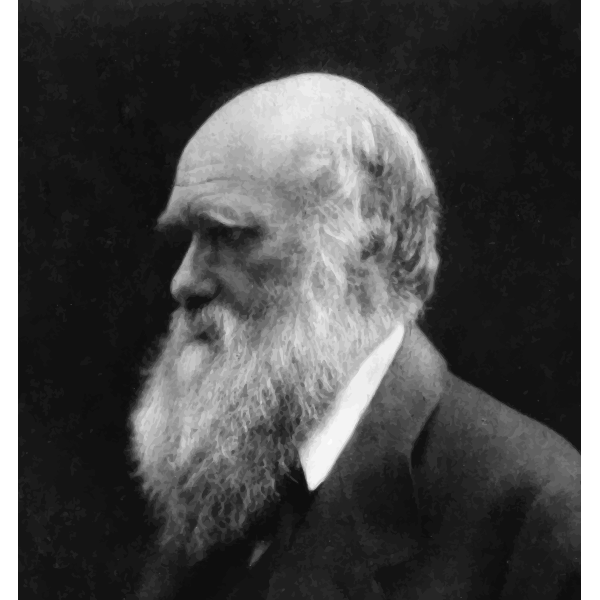
SVG Charles Darwin in black and white
By freesvg.org
SVG Charles Darwin vector drawing
By freesvg.org
SVG Charles Darwin vector portrait
By freesvg.org
SVG Galileo039s drawing
By freesvg.org
SVG Charles Darwin vector image
By freesvg.org
SVG Chillin-out
By freesvg.org
SVG Woodworker image
By freesvg.org
SVG Yellow machine image
By freesvg.org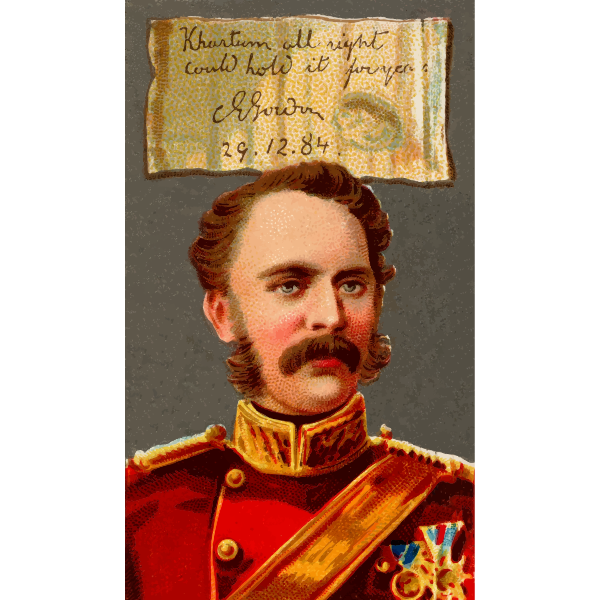
SVG Illustration of British general
By freesvg.org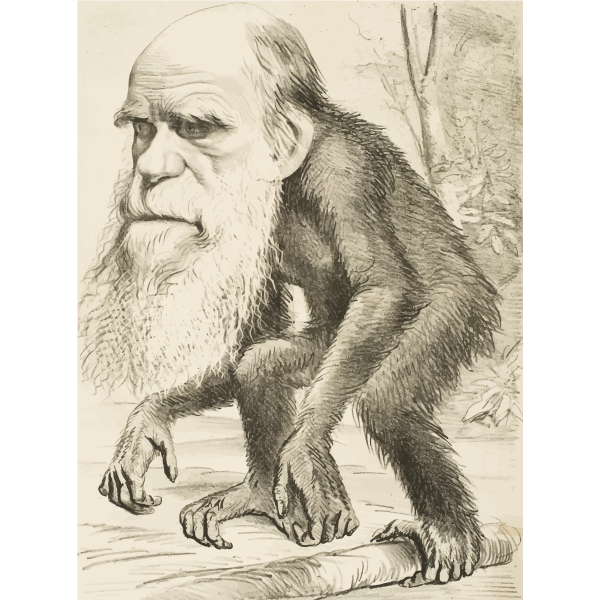
SVG Charles Darwin ape
By freesvg.org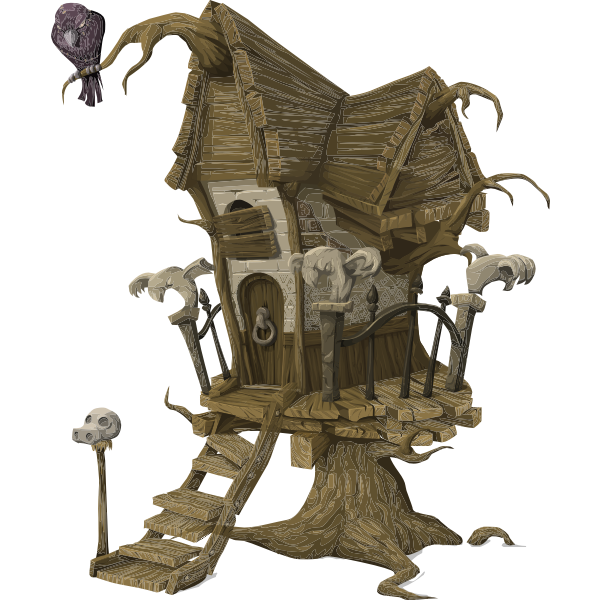
SVG Witch039s house
By freesvg.org
SVG Commander Napier
By freesvg.org
SVG Chicken sort
By freesvg.org
SVG Chilli symbol
By freesvg.org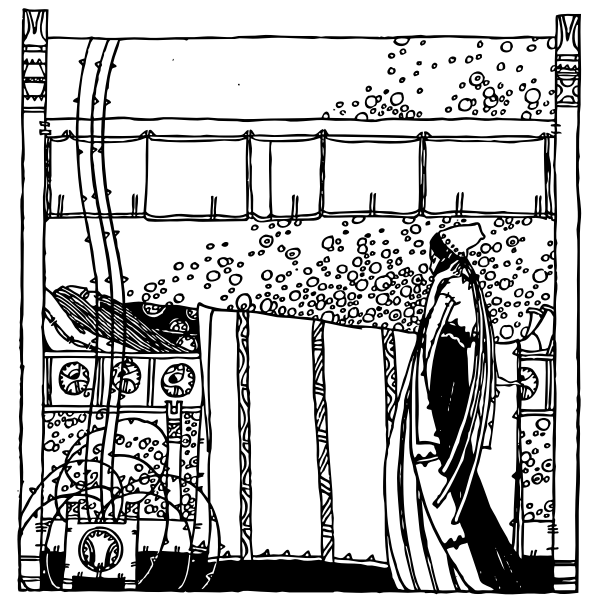
SVG Death of Attila
By freesvg.org
SVG Rack disk
By freesvg.org
SVG Kart
By freesvg.org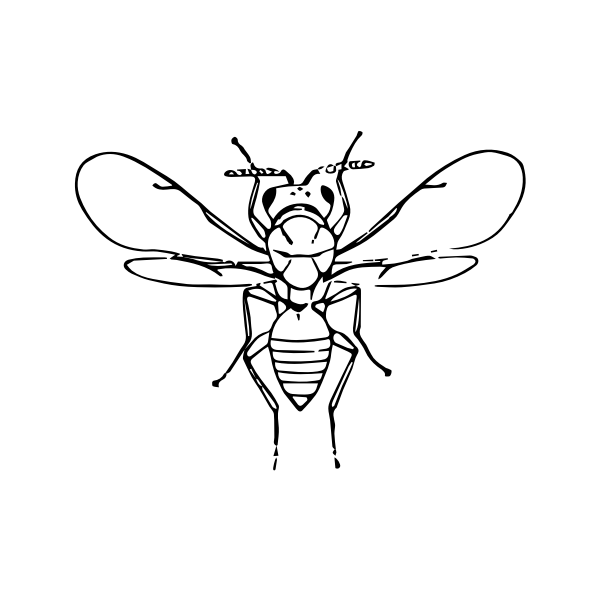
SVG Chalcid fly
By freesvg.org
SVG Dapper gentleman
By freesvg.org
SVG Chilli pepper
By freesvg.org
SVG Cartoon image of an owl
By freesvg.org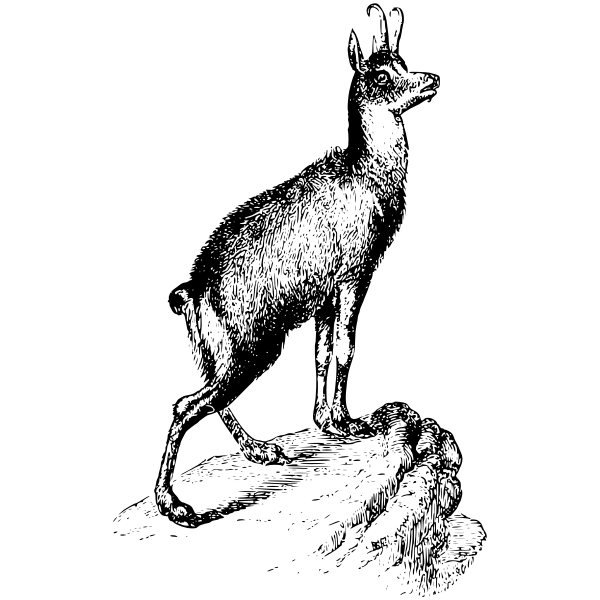
SVG Vector illustration of antelope on a rock
By freesvg.org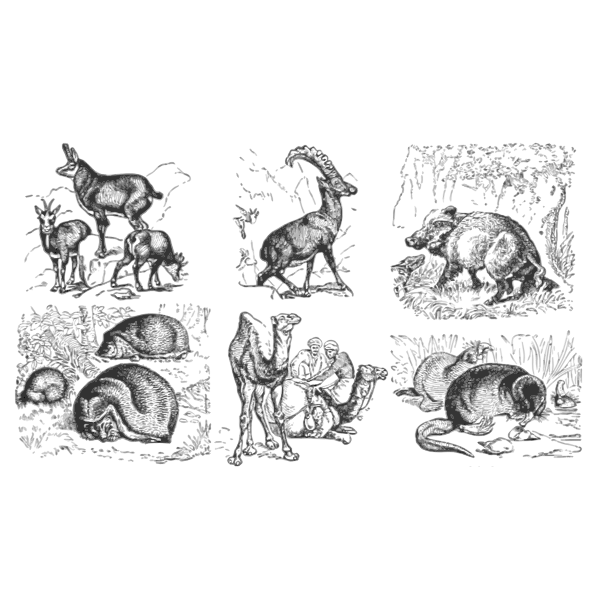
SVG Euro-Asian animals vector clip art
By freesvg.org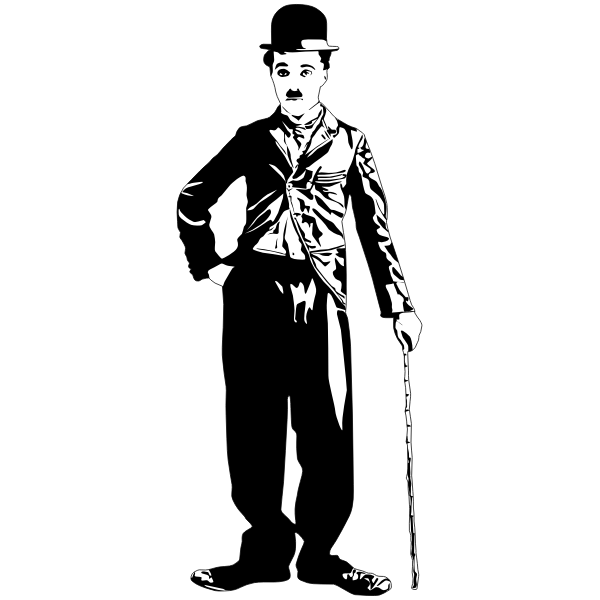
SVG Charlie Chaplin with a stick vector illustration
By freesvg.org
SVG Intel 2U rack server vector clip art
By freesvg.org
SVG Asus RS700-DE6PS8 server vector drawing
By freesvg.org
SVG Je suis Charlie lebel vector image
By freesvg.org
SVG Vector clip art of thumbs up with a pencil
By freesvg.org
SVG Je suis Charlie label vector clip art in color
By freesvg.org
SVG Je suis Charlie poster vector image
By freesvg.org
SVG Movie tape with Charlie Chaplin on it vector image
By freesvg.org
SVG Vector illustration of Mexican chili
By freesvg.org
SVG Chaplin bowler hat vector drawing
By freesvg.org
SVG Chaplin bowler hat vector drawing
By freesvg.org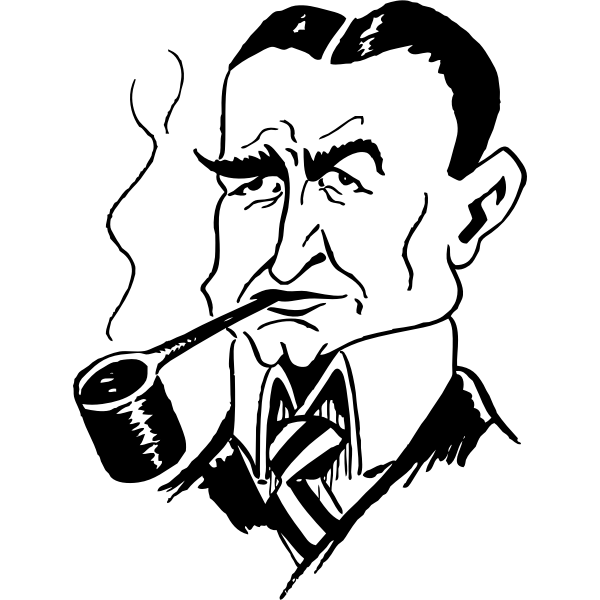
SVG Vector illustration of Charles Gates Dawes
By freesvg.org
SVG Car chassis vector
By freesvg.org
Mexican bowl taco and chilli design
By stock.adobe.com
Mexican cocktail and chilli design
By stock.adobe.com
Mexican tequila bottle avocado and chilli design
By stock.adobe.com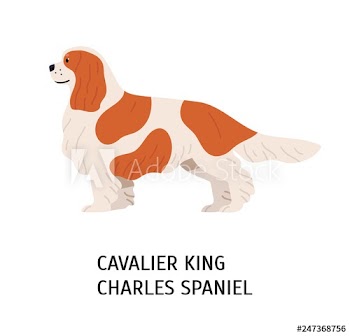
Blenheim Cavalier King Charles Spaniel
By stock.adobe.com
Hammock chillin'
By unsplash.com