Catalog - Page 2


Luxup
2023-02-10 23:02:27
Valentine's day background

Luxup
2023-02-10 23:02:26
Valentine's day background

Cavalo de Aço Futebol Clube Logo Vector
By seeklogo.com
SVG primary kstars catalog
By freesvg.org
SVG Horse
By freesvg.org
SVG PPCC
By freesvg.org
SVG Saliva Pump
By freesvg.org
SVG Catalog of elliptic curves
By freesvg.org
SVG Catalog manager icon
By freesvg.org
SVG Directory Server
By freesvg.org
SVG Cartoon animal farm
By freesvg.org
SVG Settings folder
By freesvg.org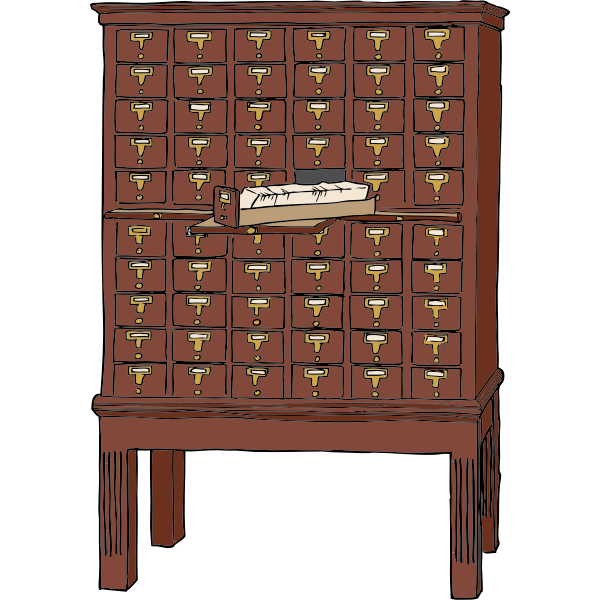
SVG Vector graphics of wood library card catalog
By freesvg.org
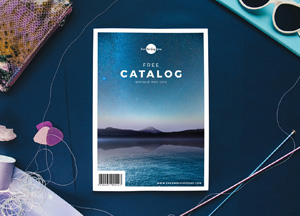
Free Catalog Title Mockup PSD 2018 free catalog
By freemockupzone.com

Minimalist Brochure Layout
By stock.adobe.com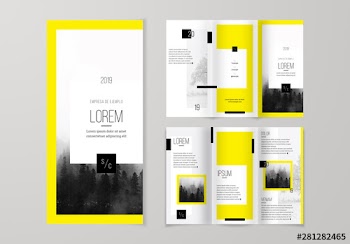
Plantilla de folleto en tríptico llamativa y brillante
By stock.adobe.com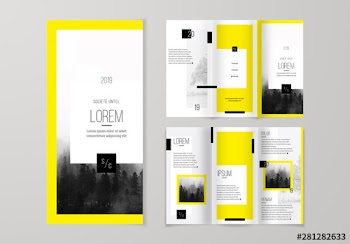
Template de brochure à trois volets audacieuse et vive
By stock.adobe.com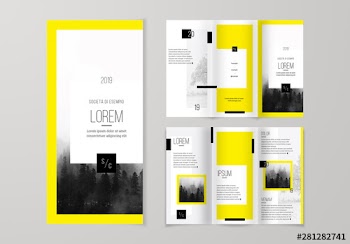
Modello per brochure a tre ante audace e brillante
By stock.adobe.com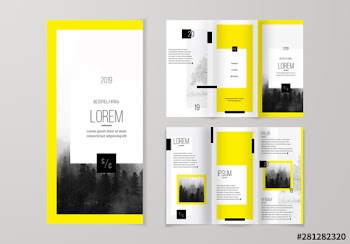
Auffällige und freundliche Vorlage für eine Wickelfalzbroschüre
By stock.adobe.com
Bold and Bright Trifold Brochure Layout
By stock.adobe.com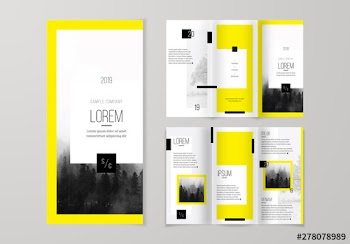
際立って明るい色の 3 つ折りパンフレットテンプレート
By stock.adobe.com
Designers working on a project
By stock.adobe.com
hands with notebook and pen design
By stock.adobe.com
notebook diary document design
By stock.adobe.com
Origami dove
By stock.adobe.com
Color sample concept
By stock.adobe.com
Graphic design concept
By stock.adobe.com
fluid abstract shape square neon design vector illustration
By stock.adobe.com
abstract covers background figures purples fluids vector illustration
By stock.adobe.com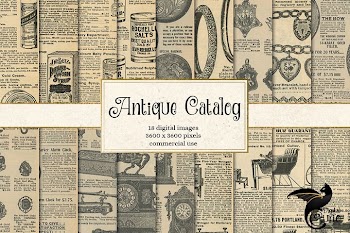
Antique Catalog Pages Digital Paper Ephemera
By designbundles.net

Unsplash ID ldYoy7iHrW8
By unsplash.com
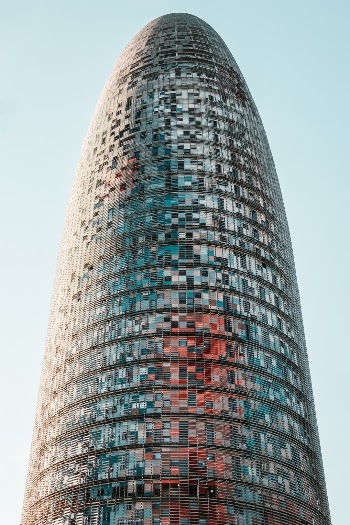
Unsplash ID Vcp9fT8nCBE
By unsplash.com

Cosmetics bottles floating in water with petals banner Free Vector
By www.freepik.com
Red annual report professional brochure template Free Vector
By www.freepik.com
Modern blue business annual report brochure template Free Vector
By www.freepik.com
Blue annual report brochure business layout Free Vector
By www.freepik.com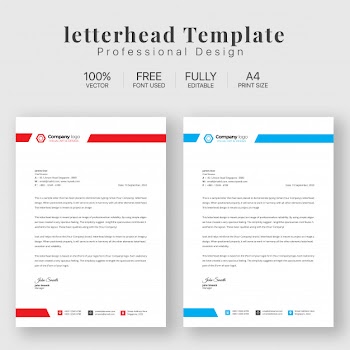
Letterhead template with various colors Free Vector
By www.freepik.com
Modern minimalist annual report template Free Vector
By www.freepik.com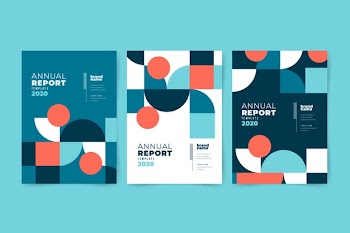
Colourful abstract annual report template Free Vector
By www.freepik.com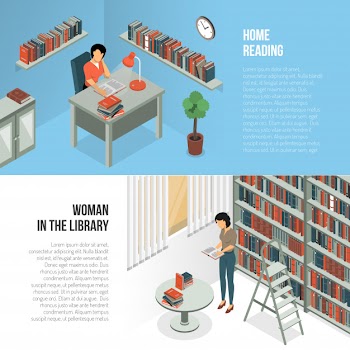
Library hours banners set Free Vector
By www.freepik.com

Template for glossy cosmetic magazine. Free Vector
By www.freepik.com
Syringe Hypodermic needle, White syringe transparent background PNG clipart
By www.hiclipart.com
Arrow, Up arrow color catalog transparent background PNG clipart
By www.hiclipart.com