Astronomy black - Page 2

Best match
Newest
Seamless pattern with astrological signs drawn with contour lines on black background
By stock.adobe.com
Seamless pattern with colorful planets and other space objects on black background
By stock.adobe.com
Monochrome seamless pattern with Zodiac signs drawn with contour lines on black background
By stock.adobe.com
Star hand drawn outline doodle icon
By stock.adobe.com
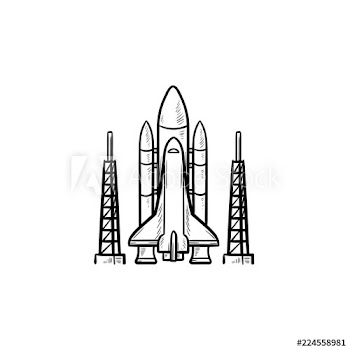
Space shuttle hand drawn outline doodle icon
By stock.adobe.com
Unsplash ID 1JLIC7bnoZA
By unsplash.com
Globe
By unsplash.com
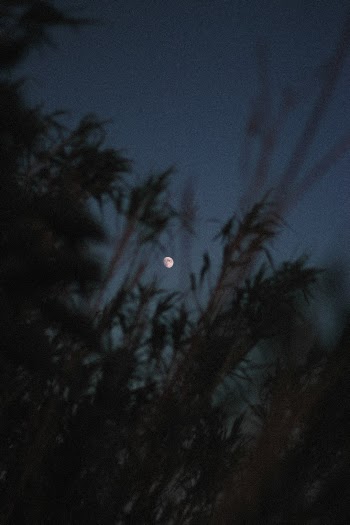
For more pictures: instagram.com/_blrguillaume | contact:
[email protected]
By unsplash.com
Moon July 12, 2019
By unsplash.com
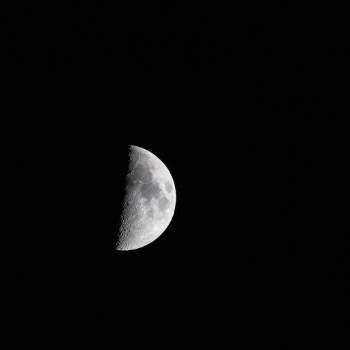
Half moon
By unsplash.com
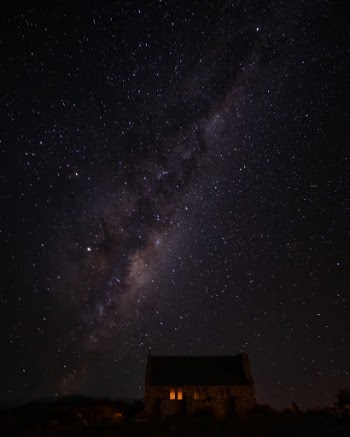
The Milky Way appears above the Church of the Good Shepard in New Zealand.
By unsplash.com
Unsplash ID ZLBTWdiNJaY
By unsplash.com

Unsplash ID p-YjMXIpBno
By unsplash.com
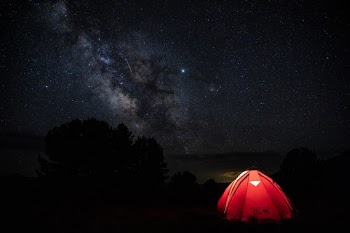
Unsplash ID JrFfuHQr-L4
By unsplash.com
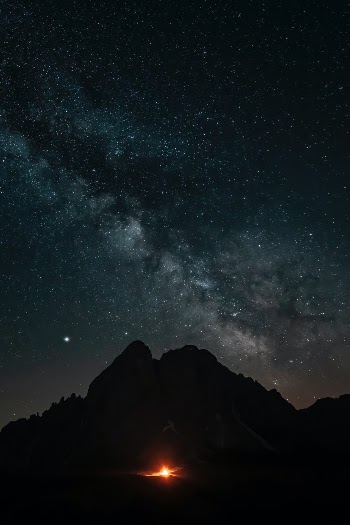
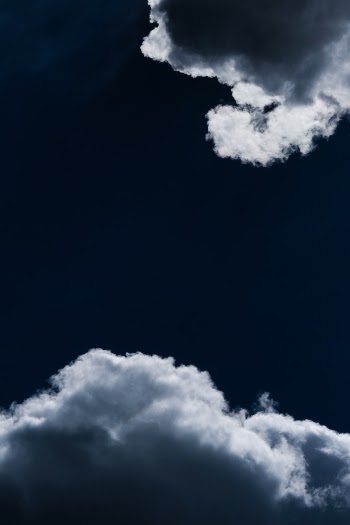
Milkyway over the peak Putia, Dolomites Nature Heritage, on June 30th, 2019!
By unsplash.com
Unsplash ID pBtWrMTop-Q
By unsplash.com
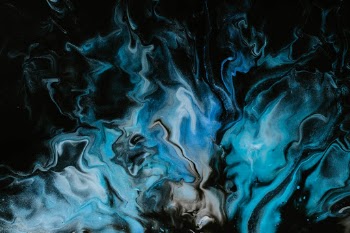
Unsplash ID r9SdLRda3W0
By unsplash.com
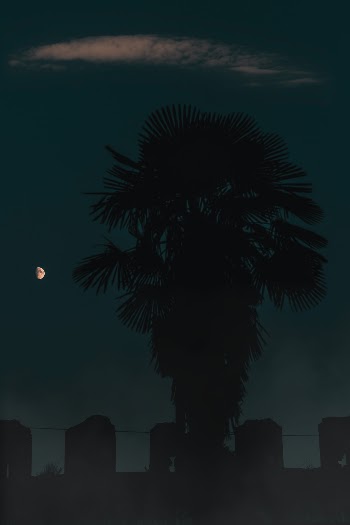
Unsplash ID Sg3tKMMb5Xs
By unsplash.com
Unsplash ID Aca6sQjoddw
By unsplash.com
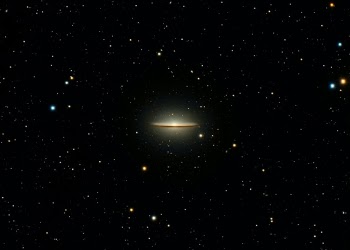
Discovered in 1781 by the French astronomer and comet hunter, Pierre Méchain, the Sombrero galaxy is a lenticular galaxy, which is a classification between full elliptical and spiral, meaning that it has a disc structure but without spiral arms. It’s about 31 million light years away in the constellation of Virgo and about 50 million light years across (one-third of the Milky Way’s diameter). Astronomers have determined that the supermassive black hole at the center of the galaxy is about 1 billion solar masses, making it one of the largest in nearby galaxies. They’ve also determined that there are between 1,200 and 2,000 globular clusters present, more than ten times the estimate for the Milky Way’s population, and they’ve been able to correlate the prevalence of globular clusters with the amount of bulge in the galaxy. Using infrared spectroscopy astronomers have also determined that the bulk of star formation occurs within the highly contrasted dust lane. This is 2:20 hours of exposure.
By unsplash.com
Unsplash ID ga2dW-aVdMc
By unsplash.com
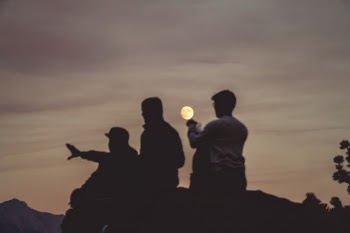
A sunset in Yosemite National Park gives the perfect backdrop for dramatic silhouettes. It took me more shots that I want to admit to pose the picture just right, so that it would look like one of the guys in it holds in the moon in his hand.
By unsplash.com
Unsplash ID Jj9u4v6_74M
By unsplash.com
Unsplash ID sbY5miTwrjc
By unsplash.com
I used metallic paint - added to each color - and it created this noise illusion.
By unsplash.com
Unsplash ID GAcPBwYZs-U
By unsplash.com
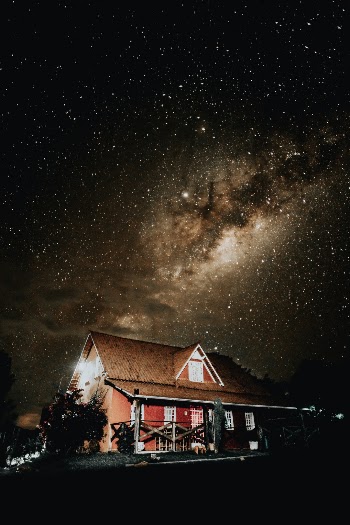
Unsplash ID dIFtfsut_3c
By unsplash.com
Unsplash ID o8qgRXn2N-E
By unsplash.com
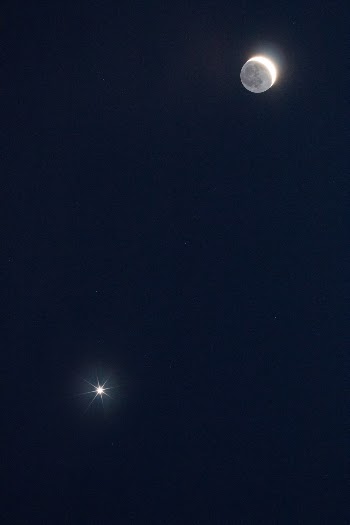
Moon and Venus
By unsplash.com
Unsplash ID z2t4GdXOtE8
By unsplash.com
Unsplash ID HqFSaD32bIc
By unsplash.com

Unsplash ID g-YsyUUwT9M
By unsplash.com
Unsplash ID rSZNTnohlSg
By unsplash.com

Unsplash ID G34HAi3H0V0
By unsplash.com
Unsplash ID gdO4lRYOYSo
By unsplash.com
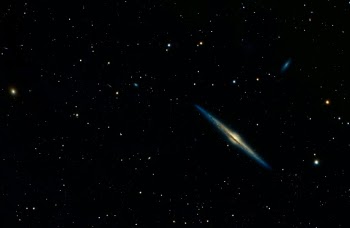
NGC 4565 – the Needle Galaxy Located between 30 – 50 million light years away, it’s the most prominent edge-on spiral galaxies we have in our view. Residing near the North Galactic Pole in the constellation Coma Berenices (named for “Berenice's Hair" in Latin and refers to Queen Berenice II of Egypt, who cut off her hair in gratitude to the gods for the safe return of her husband from battle), it has a spatial diameter of 140,000 light-years (Milky Way = 105,000 ly) and is estimated to contain a trillion stars (Milky Way 250-400 billion). With the darkness from a central dust lane obscuring much of the visual core of the galaxy, it’s very similar to our view of the core our Milky Way, and as such is studied extensively by astronomers.
By unsplash.com
I stayed after everyone left this photo spot to be able to get this shot. I really wanted to make a long exposure to get the stars in. I didn't have a tripod, so I used my sweater to stabilize my camera.
By unsplash.com
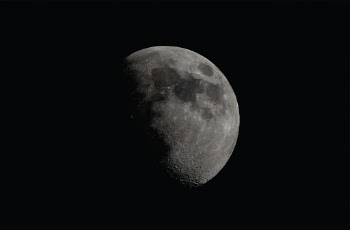
First shots of the moon with a new lens I purchased a few months ago
By unsplash.com
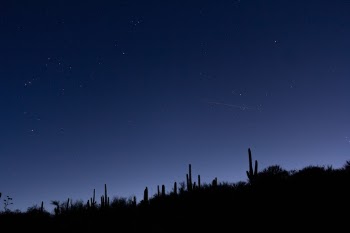
I recently took a roadtrip through New Mexico and Arizona. This shot was taken in Colossal Cave State Park outside of Tucson after I'd pitched my tent for the night. I was absolutely entranced by the giant Saguaro cactus that litter the landscape. I think this shot captures some of the magic that I felt being there. 30 seconds is the longest shutter speed on my [very old] camera, but there was just enough light coming over the horizon to keep the ISO relatively low for this shot.
By unsplash.com
Unsplash ID PXchClPTMT8
By unsplash.com
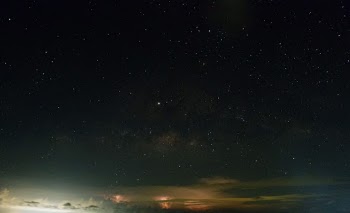
Night sky in Koh Rong beach
By unsplash.com
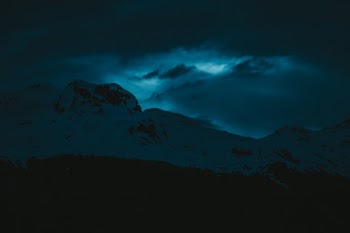
This cloud-landscape appeared one evening this Spring.
By unsplash.com
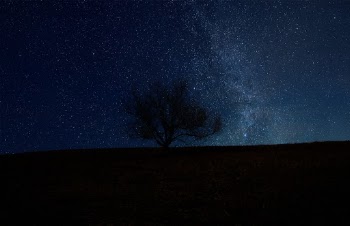
Unsplash ID OgTfuHhrG2U
By unsplash.com
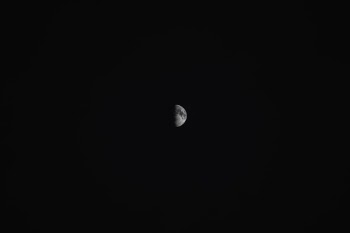
Unsplash ID SUiY3lwZqvg
By unsplash.com
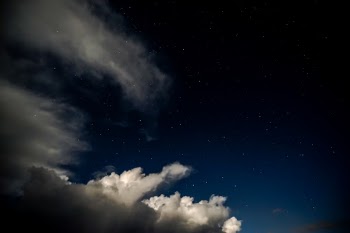
Unsplash ID qi7Sl9MwO64
By unsplash.com
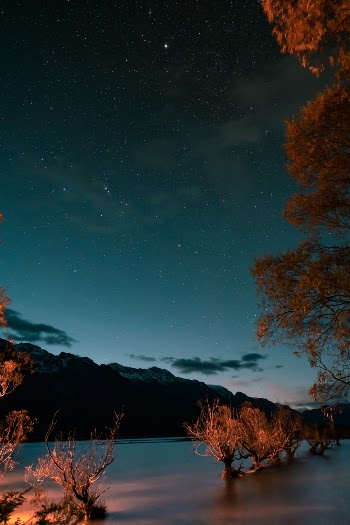
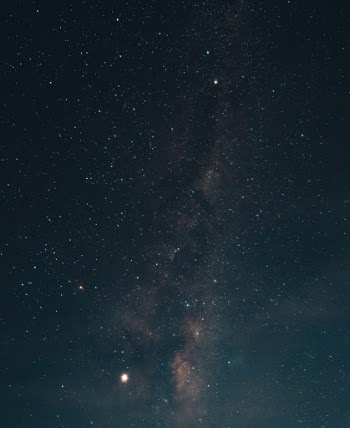
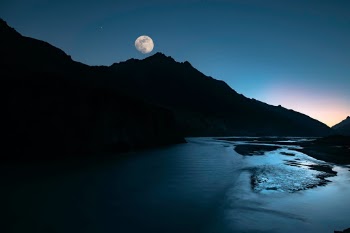
Glenorchy lake area just after sunset. It was tricky taking this as it was pitch black, but lucky enough that the stars were sharp.
By unsplash.com
Unsplash ID c7kMymfmUbY
By unsplash.com
Victorian Spin
By unsplash.com

I used a cut-open plastic bottle to pour the paint. First black, then the cold, then the warm :)
By unsplash.com
Unsplash ID h0M6OUcIIJo
By unsplash.com
Previous
Next
Home
New files
About
Search tips
Privacy Policy
DMCA Policy
Copyright Policy
File Upload Policy
Terms of service
Refund and cancellation
Security
Contact
Sitemap
Bye