SVG Circle with pink stars

- Author
- freesvg.org
- Shared by
- Anonymous
- Type
- vector
- Source
- freesvg.org
- Posted
- 2021-09-17 03-15-44
- DMCA
- Contact
Discover more at formation Astrids Stars page

Mysterious galaxy background with shooting stars Free Vector
By www.freepik.com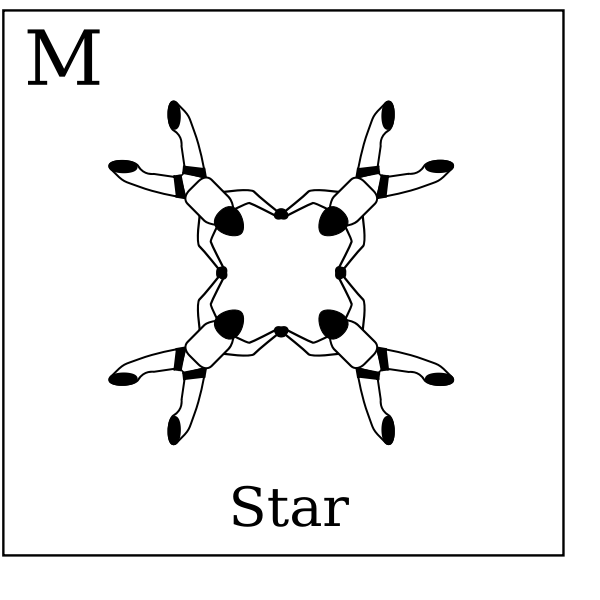
SVG Figure M - Star Vol relatif 4 Formation Skydiving 4-Way
By freesvg.org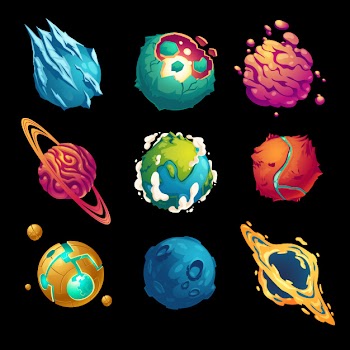
Fantastic planets cartoon galaxy ui game asteroids Free Vector
By www.freepik.com
Mobile background with starry sky and purple tones Free Vector
By www.freepik.com

StockBy.AI
2026-11-07 14:57:12
Joyful Cat and Dog Moving Together

StockBy.AI
2026-11-07 14:50:02
Feline Robot in Urban Attire - Ink Sketch

StockBy.AI
2026-11-07 12:33:37
Whimsical Anthropomorphic Tiger in High Heels

StockBy.AI
2026-11-07 12:33:28
Awkward Medieval Knight Character

StockBy.AI
2026-11-07 12:33:20
Elegant Fashion Portrait with Crimson Sheep
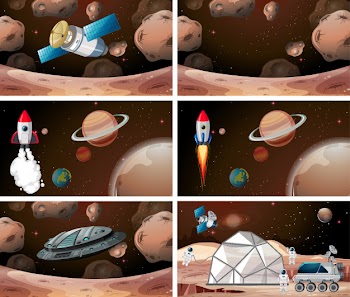
Set of mars scenes background set Free Vector
By www.freepik.com
Various space scenes with earth Free Vector
By www.freepik.com
SVG Segmented star
By freesvg.org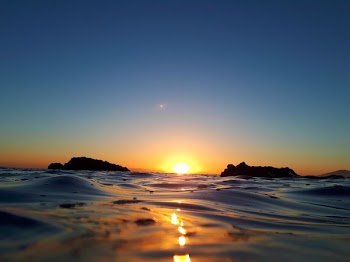
body of water during sunset
By unsplash.com
SVG Autumn star
By freesvg.org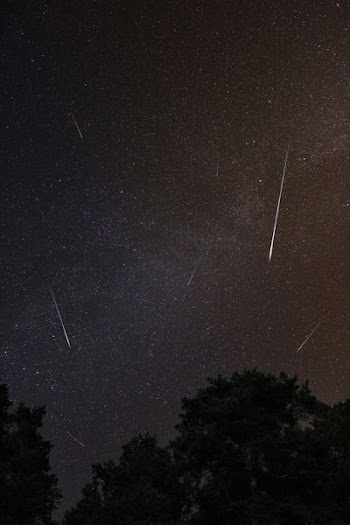
meteor shower on sky during nighttime
By unsplash.com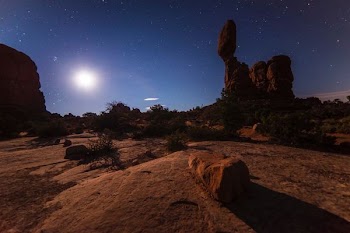
rock formation under starry skies
By unsplash.com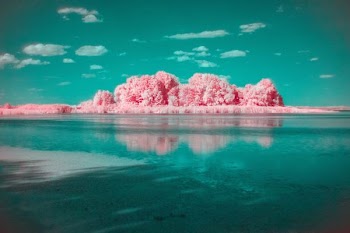
pink cloud formation above calm body of water
By unsplash.com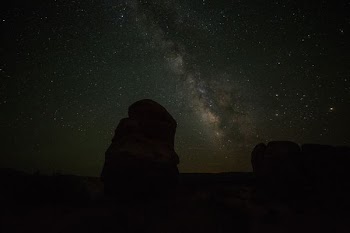
rock formation under milkway
By unsplash.com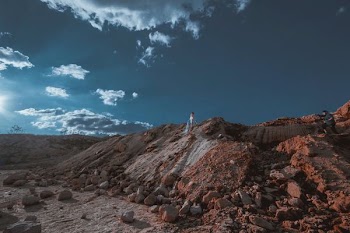
person standing on tops of rock formation during daytime
By unsplash.com

Luxup
2024-11-29 01:26:37
wood log, photography, isolated, clean background, editorial

Houston Astros Clipart Star - People's Liberation Army Logo
By www.clipartmax.com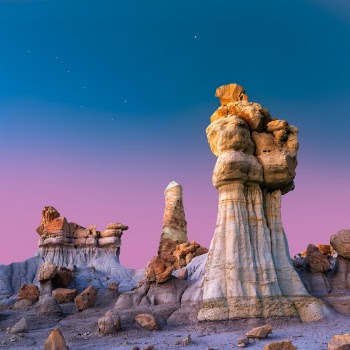
Taken at dusk in the badlands of Northern New Mexico
By unsplash.com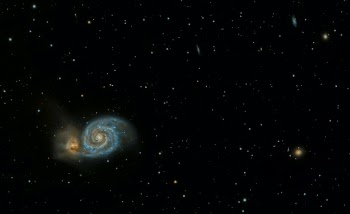
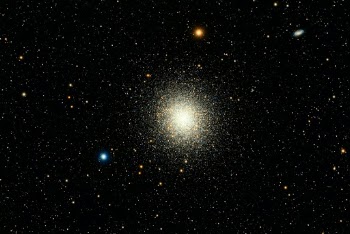
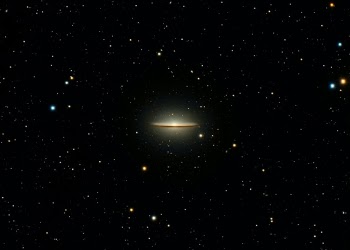
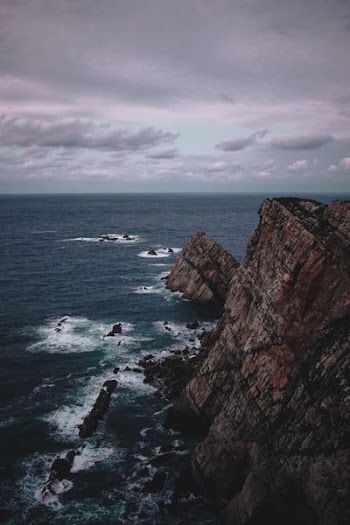
rock formation near the sea during daytime
By unsplash.com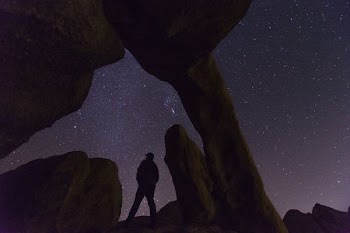
silhouette of person under rock formation at night time
By unsplash.com
rock formation during day time
By unsplash.com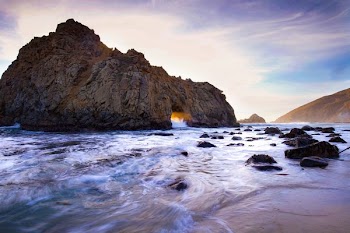
time lapse photography of body of water near rock formation
By unsplash.com
brown rock formation
By unsplash.com
photo of cloud formation
By unsplash.com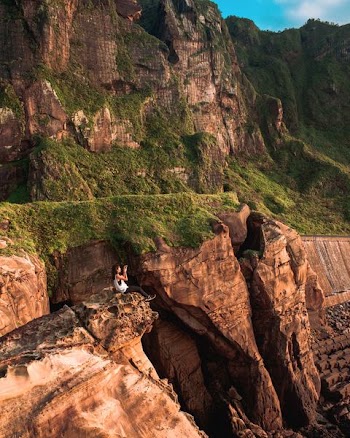
woman on rock formation cliff
By unsplash.com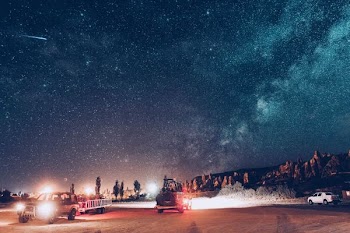
two vehicle on road near rock formation at nighttime
By unsplash.com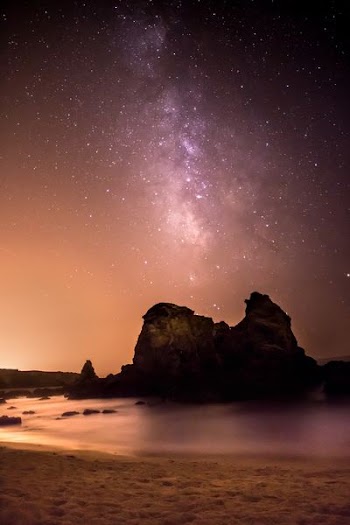
rock formation under sky
By unsplash.com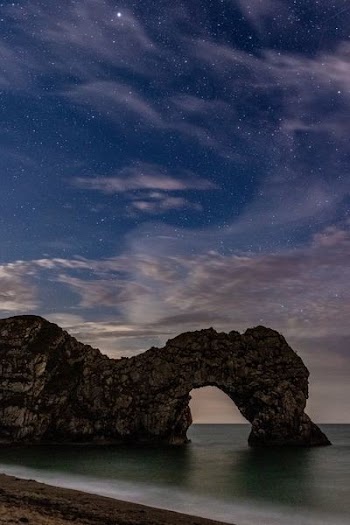
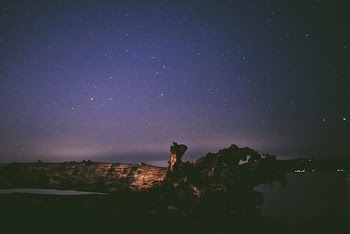
brown rock formation near shoreline at nighttime
By unsplash.com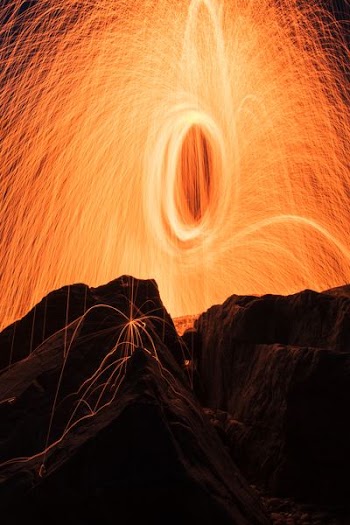
steel-wool photography of brown rock formations
By unsplash.com
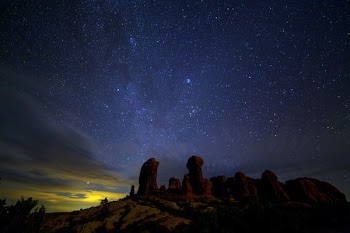
photograph of sky over rock formations
By unsplash.com
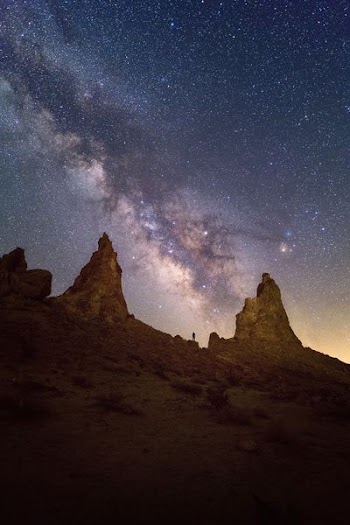
person standing on rock formation
By unsplash.com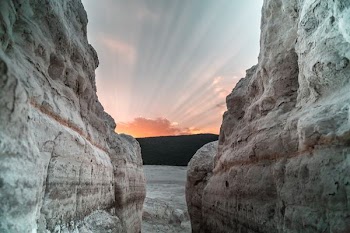
gray rock formation at sunrise
By unsplash.com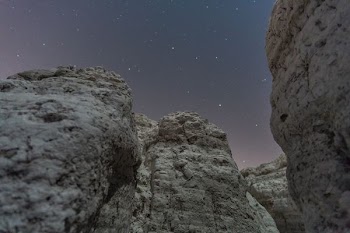
rock formation
By unsplash.com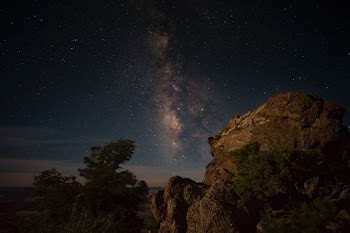
rock formation mountain under sky with stars
By unsplash.com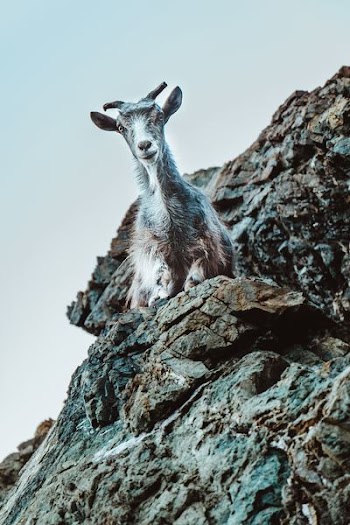
white and gray goat on rock formation at daytime
By unsplash.com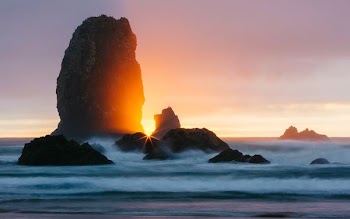
nature photography of rock formation
By unsplash.com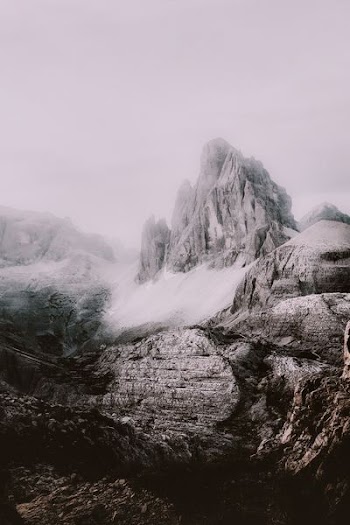
grayscale photography of rock formation
By unsplash.com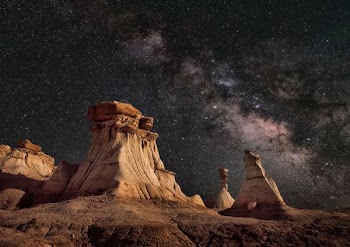
canyon beneath the stars
By unsplash.com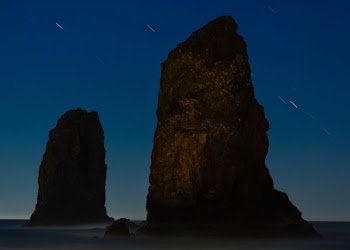
rock formation at night
By unsplash.com

Star Clip Art
By kisspng.com
Night sky Painting Nebula Galaxy - painting
By kisspng.com
SVG black star
By freesvg.org